December has arrived, and while we’re wrapped up in the warm Christmas atmosphere, let’s not forget about our green spaces. Indeed, gardening never stops, not even in the crisp winter cold. Wearing gloves and hat, let’s start together to discover the main tasks ahead.
General maintenance
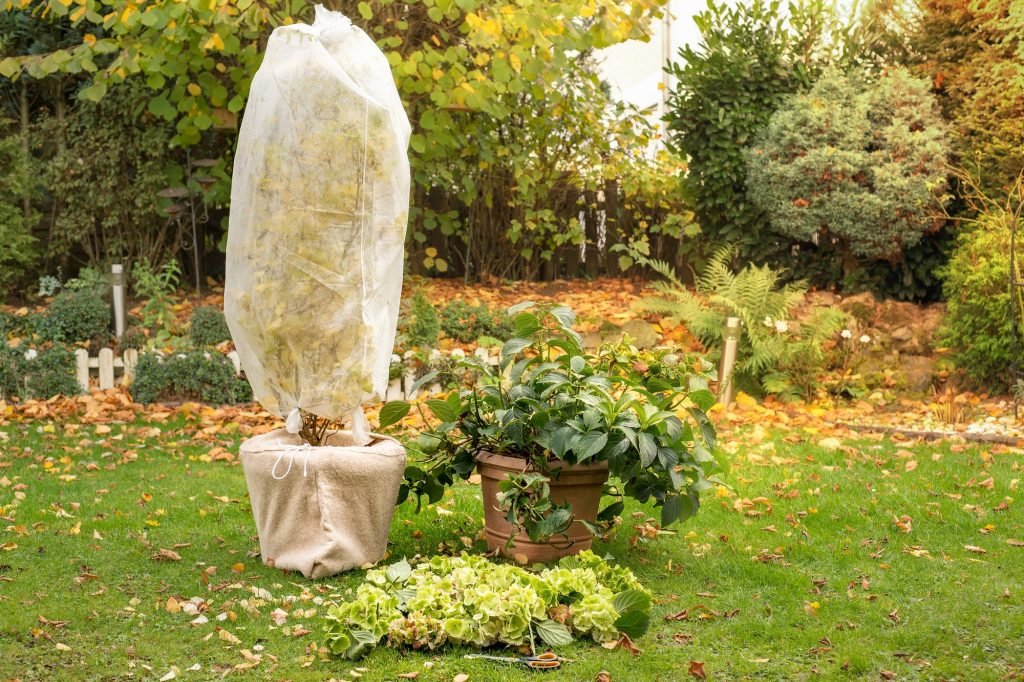
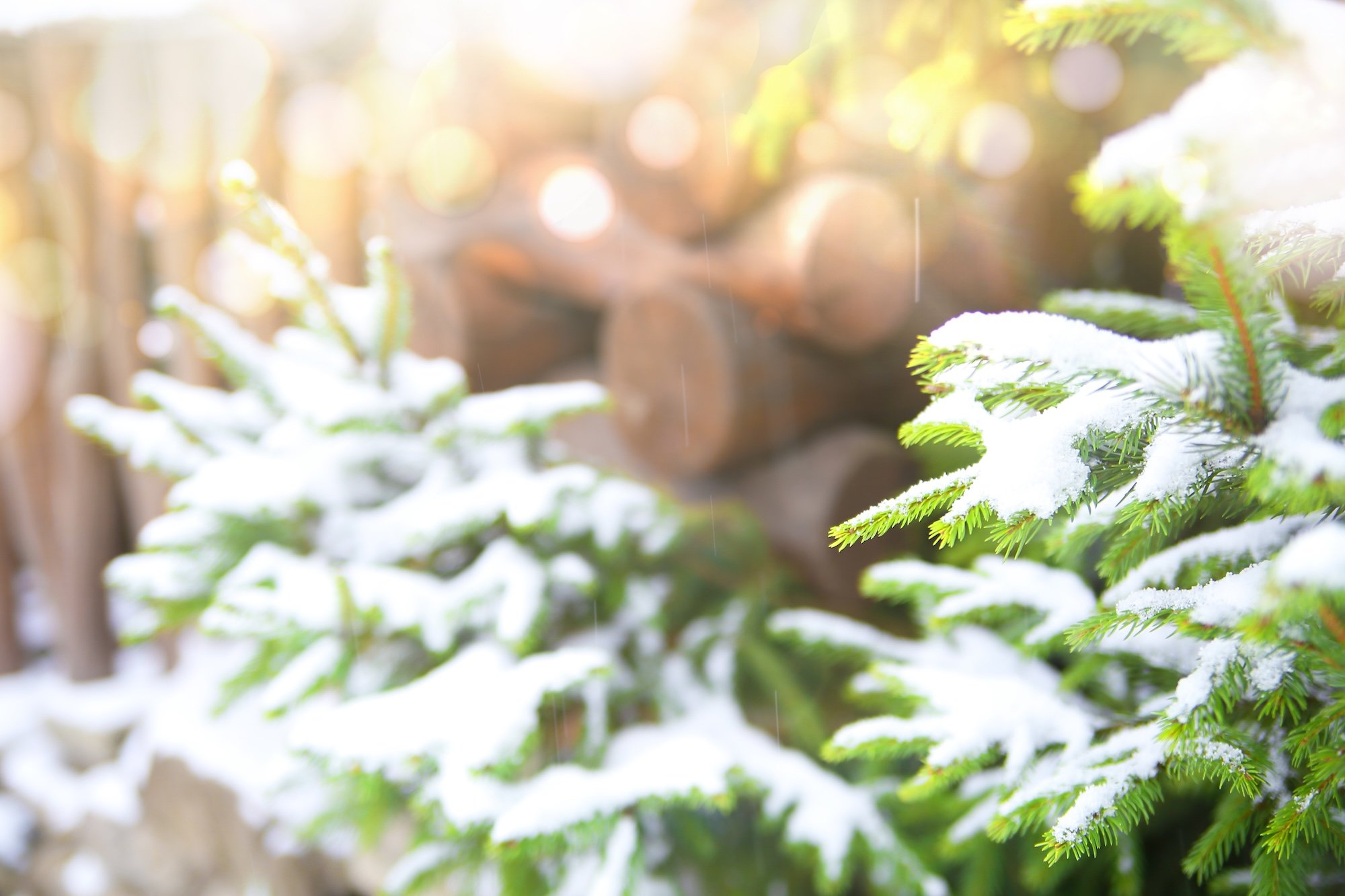
With frost just around the corner, let’s remember to protect the outdoor plants most vulnerable to the cold by covering the foliage with non-woven fabric and distributing mulch on the ground using small pieces of bark, dry leaves or straw at the base of the trunk, but remember to use only leaves free of disease symptoms. For potted plants it may be essential, in relation to their thermal requirements, to shelter them indoors with proper exposure to sunlight away from cold draughts, while for those more resistant to frost we can raise the pots with specific feet to improve drainage and reduce the risks of severe cold. We also check that any ties and braces attached to trees and creepers are well anchored to withstand the winter weather.
We rake up fallen autumn leaves, accumulated in flowerbeds and borders, to add them to the compost container, and we repair irrigation equipment such as irrigation pumps and hoses to prevent frost from breaking them, and we insulate outside taps. The time has come to empty the shed or greenhouse and clean and disinfect garden tools by organising the space as best we can. We always keep paths and driveways clean of leaves and snow to avoid falls and slips.
Transplants
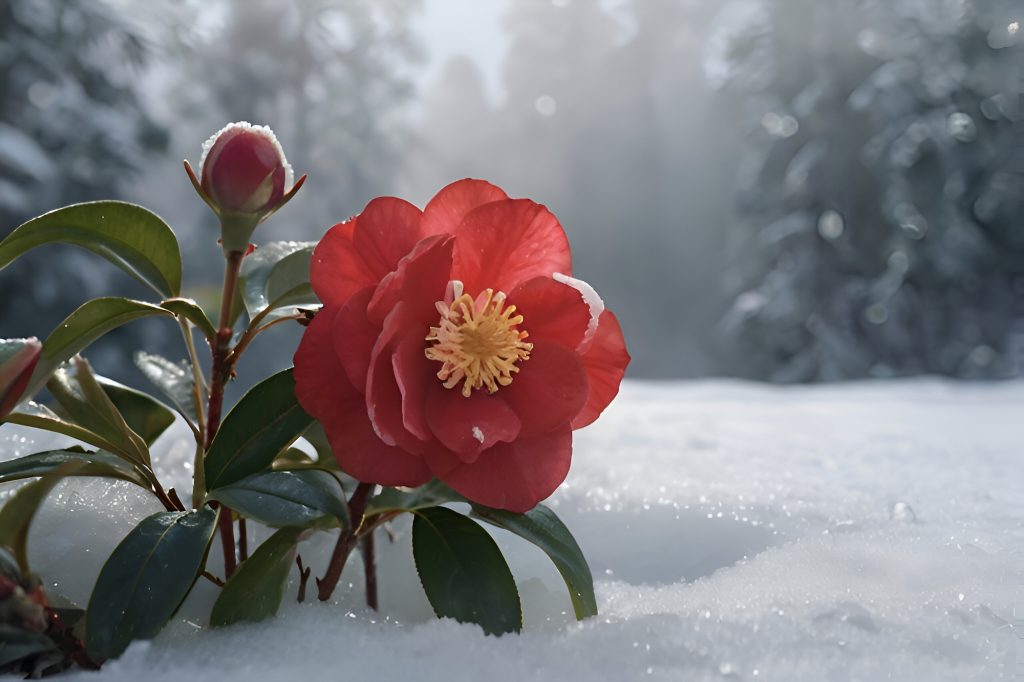
To add an accent of colour and shine, there are different winter-blooming plant species that will make our outdoor green spaces attractive even during the coldest season of the year by extending their period of interest beyond the spring-summer period. Let us be surprised by the elegance of shrubs such as Lonicera fragrantissima whose creamy-white flowers at the end of winter will inebriate our senses with a honey fragrance, or Chimonanthus praecox also known as winter calycanthus, Edgeworthia chrysantha with its bare branches covered in fragrant flowers, and Camellia sasanqua symbol of elegance and refinement. Also scenic is Cornus sanguinea, a deciduous shrub that will provide a unique accent in winter with its orange-red branches.
Among the ornamental herbaceous plants, Helleborus niger or Christmas rose, rustic and with a white December flowering, or Cyclamen coum called Cyclamen of the woods and Viola cornuta deserve a place of honour.
For transplanting into beds, remember to prepare the soil by avoiding periods when it is frozen or saturated with water, while for use in pots always use high quality substrate.
Lawn
In December the lawn is in period of dormancy, but we continue to remove fallen leaves from deciduous trees with a rake to let in more light, optimise aeration and prevent the spread of rot, and in snow or ice we avoid walking on the turf repeatedly so as not to damage it. We gently aerate with a garden fork to improve aeration and drainage.
Indoor plants
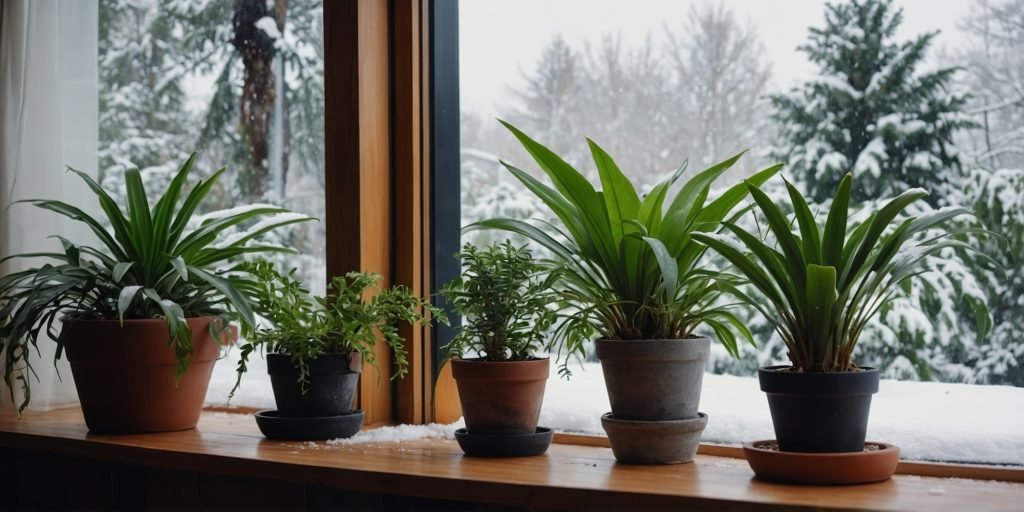
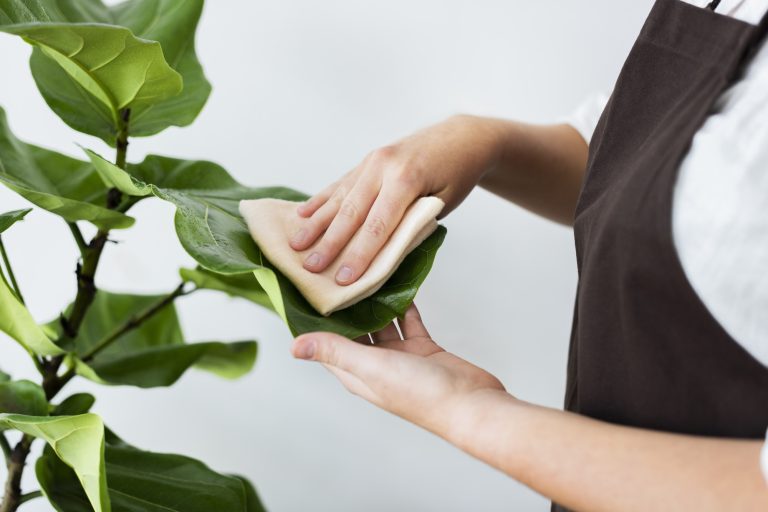
When heating radiators or heaters we take care to ensure the correct humidity level for our indoor plants and, if necessary, resort to foliar misting with temperate water. Take care not to over-water the substrate to prevent water stagnation with subsequent root rot. We move the pots near a sunny windowsill in the winter period in order to get more light during the shorter days that characterise this time of year. Remember to keep the leaves of species that tend to accumulate dust such as Sansevieria clean by gently wiping the leaves with a cloth moistened with water.
We always check for the presence of pests such as aphids, mealybugs and thrips and, in the event of their presence, we intervene promptly with specific products suitable for indoor use.
We give a place of honour to the Poinsettia (Euphorbia pulcherrima) with its colourful bracts, by ensuring that it is exposed to light and protected from cold draughts and heat sources and by keeping the substrate moist but not saturated with water.
And again..
Make sure to keep the feeders clean, fill them regularly with water and specific food rich in fat to help the birds during the colder days. Let’s plant Amaryllis bulbs in pots for scenic blooms during the festive season. We collect and place branches with holly berries in a bucket of water until it is time to use them to make elegant Christmas wreaths and garlands.
Winter is the ideal time to take stock, tidy up and plan in advance for example the rotation of garden crops and new spring-summer transplants.
With our minds busy thinking, over a cup of tea or hot chocolate wrapped in Christmas warmth, let us remember the old italian country proverb “Dicembre gelato non va disprezzato” which means “Frozen December is not to be despised” that recognises the value of every season, even the coldest one of the year.