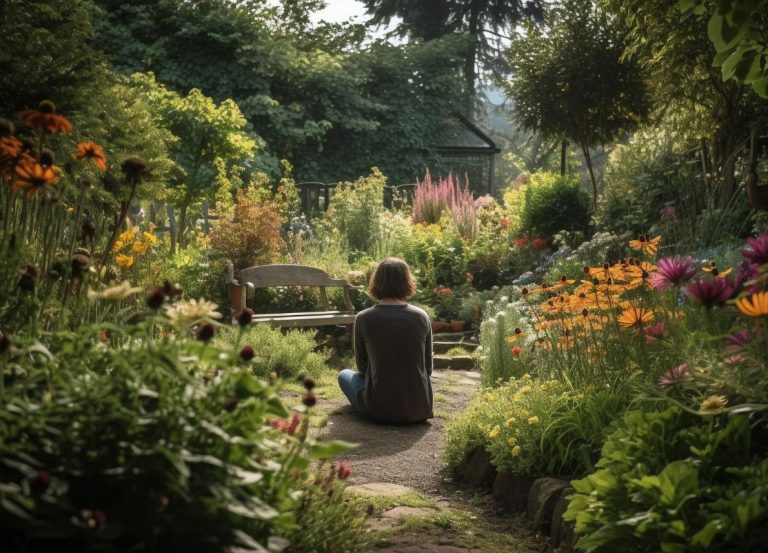
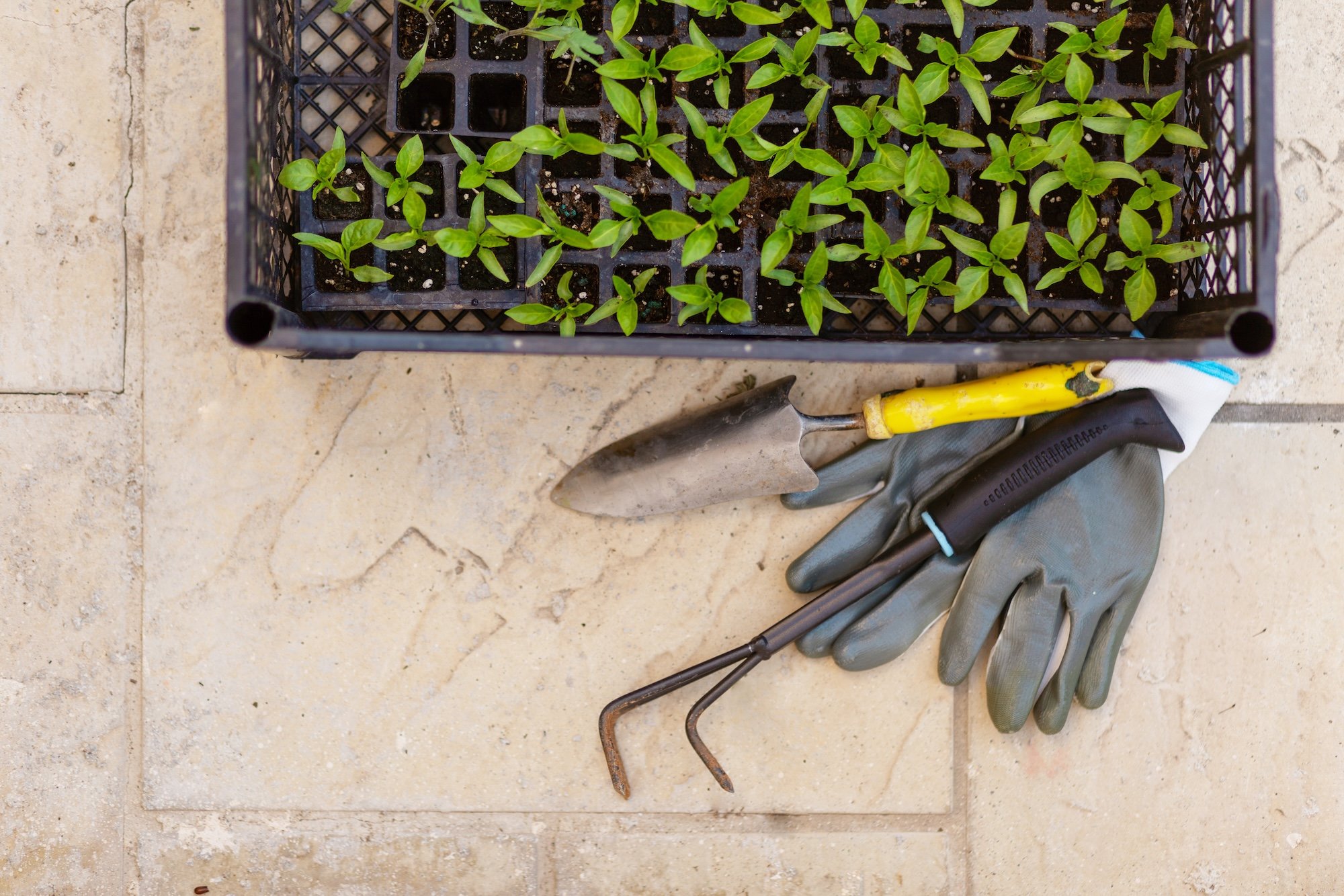
In May, once the risk of even late frosts has passed, we can turn our attention to planting a wide variety of ornamental plants that flower in spring and summer, bringing colour and elegance to our outdoor green spaces and giving us the chance to enjoy fresh-cut flowers for creating elegant floral arrangements that will brighten up our homes.
For areas such as borders and flowerbeds, before we start transplanting, we should remove the dreaded weeds by pulling them up by the roots and clear away any large stones or pebbles; we should also work in organic matter to create a well-structured, enriched soil. When planting, we remove the seedling from its container without damaging the roots and place it in the hole dug beforehand, which should be proportionate to the size of the root ball, taking care to keep the collar above the soil surface. In the initial stages following transplanting, we support the young seedling with regular watering, taking care to avoid waterlogging which can lead to root rot; in other words, we do not overwater by saturating the soil with water. For balconies and terraces, however, we always use a balanced, fresh substrate specifically designed for ornamental plants, as well as pots or planters of a size suitable for the growth of the chosen plant.
But now let’s get to the point and explore together some of the plant species we can choose in May!
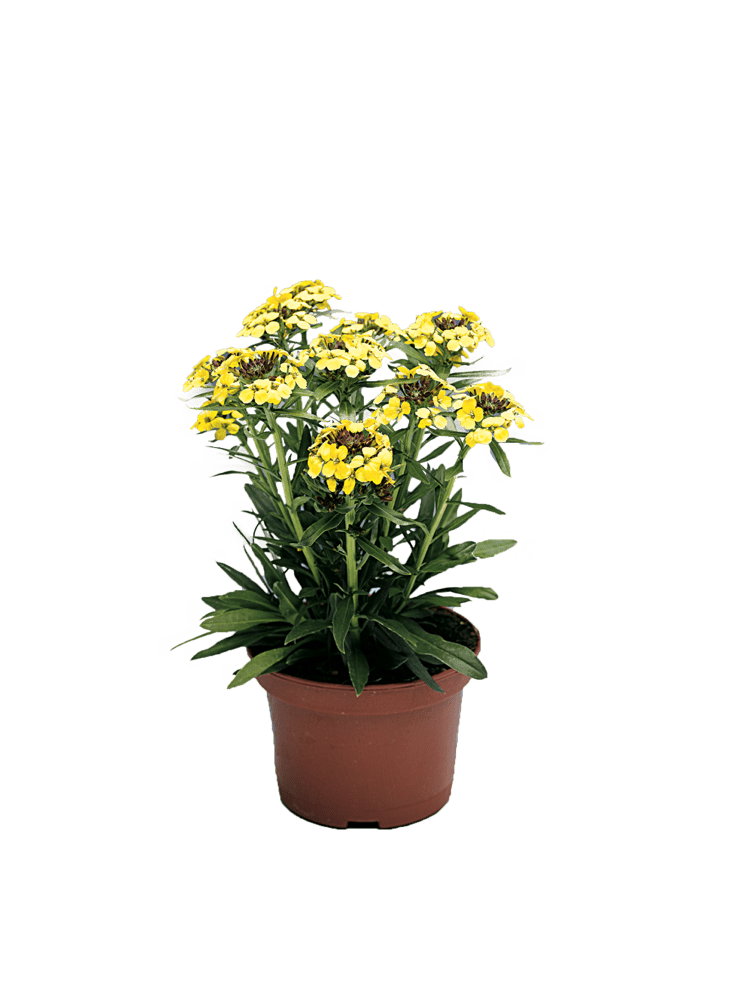
The wallflower (Erysimum hybridum) is a charming perennial herb with a compact, bushy habit, prized for its abundant and prolonged flowering, which manifests as terminal compound spike inflorescences with a delicate scent and is highly attractive to insects beneficial to biodiversity.
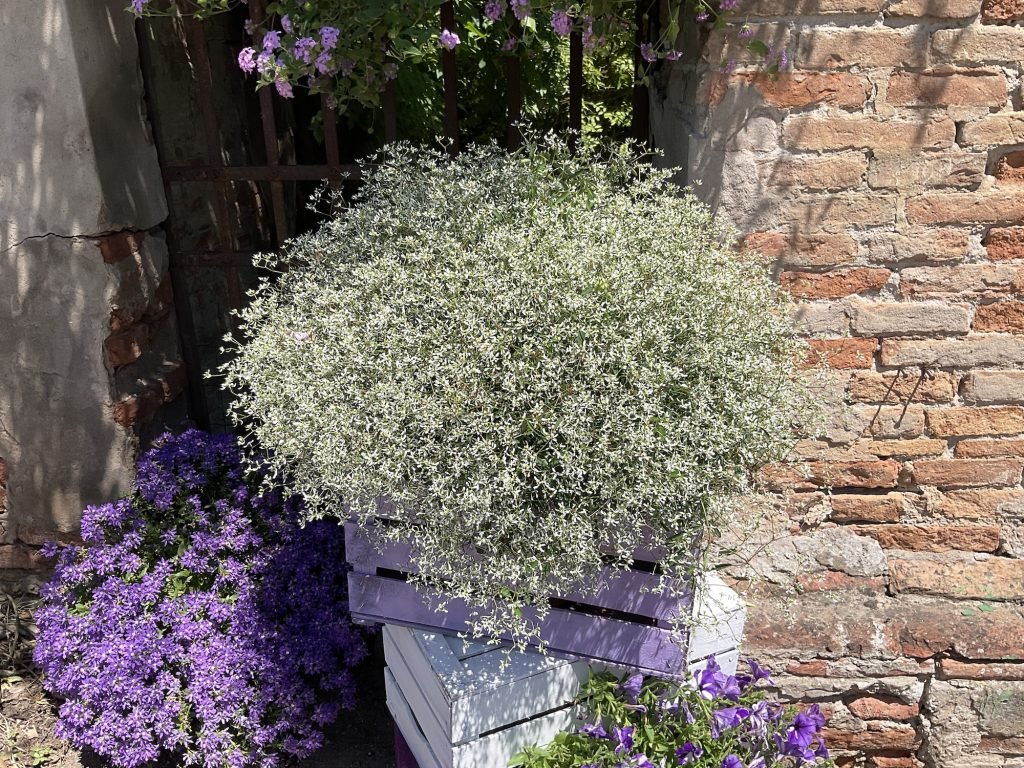
The blooms of Euphorbia hypericifolia are fluffy and dense, with cloud-like umbellate inflorescences bearing white flowers.
The inflorescences of Matthiola incana are also suitable as cut flowers, adding colour and fragrance to gardens and terraces.
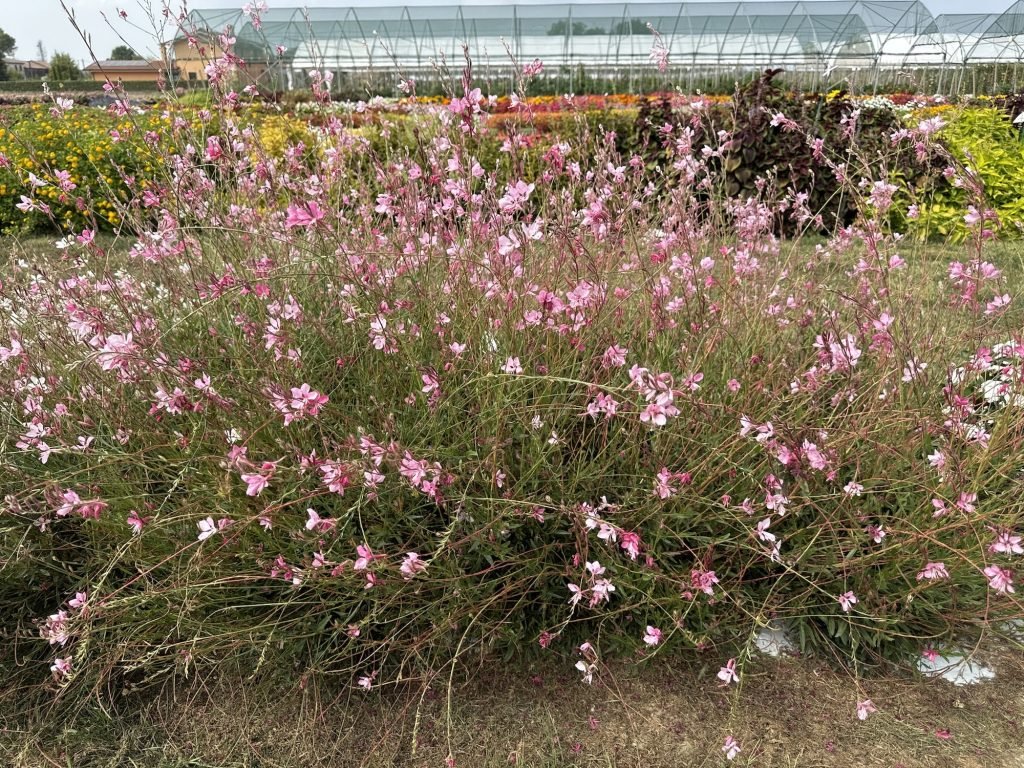
Not to be missed is Gaura lindheimeri, a compact-growing perennial herb prized for its profusion of graceful flowers, shaped like stars or butterflies, which create voluminous, colourful masses with an elegant, dramatic effect.
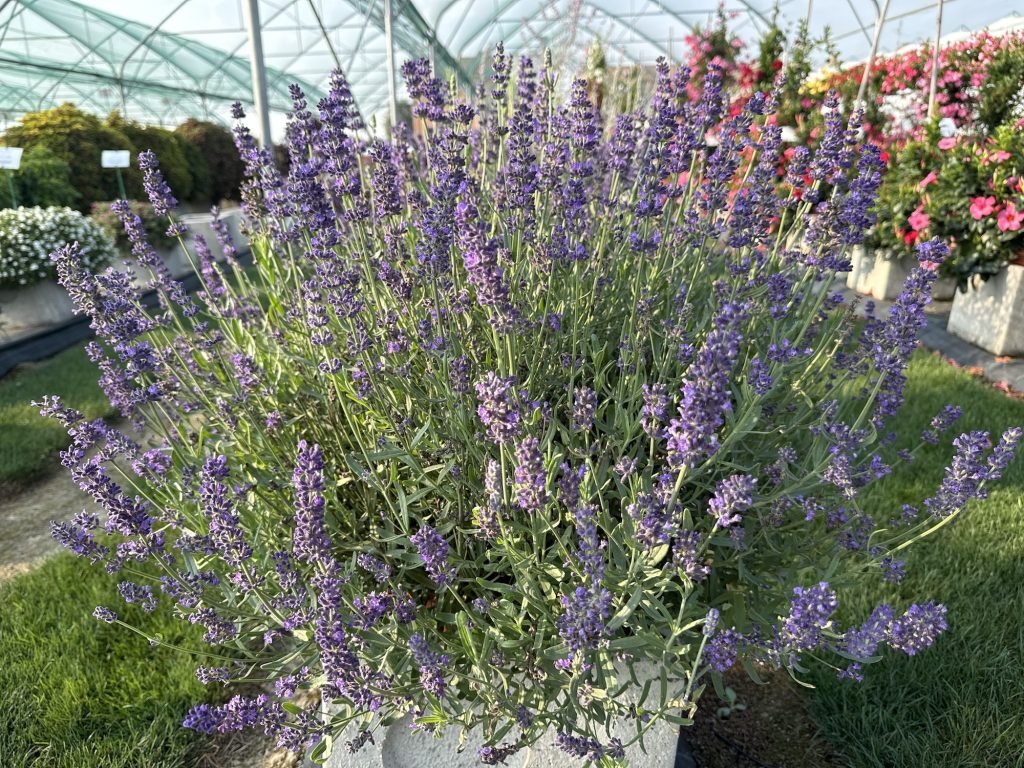
And how could we forget Lavandula angustifolia, with its spike-like inflorescences bearing highly fragrant tubular flowers that create a scene of considerable landscape significance. Bidens ferulifolia, Lantana camara, Lobelia erinus and Salvia splendens are further examples of ornamental herbs we simply cannot do without! For terraces and balconies, we add a touch of vibrancy with planters and tubs of Pelargonium x hybridum (zonal geranium) and Impatiens walleriana.
Towards the end of May, we can transplant summer-flowering species such as Coreopsis lanceolata, Echinacea purpurea, Rudbeckia hirta and Salvia farinacea.
Remember that all these species can be used either on their own, creating monochromatic groups, or in compact, colourful mixed compositions, combining plants of different heights to create striking visual perspectives. Colour combinations can feature shades of the same hue or an alternation of colours, choosing from the various available varieties to create patterns or designs according to personal preference. For combinations in flowerbeds, care should be taken to plan in advance how to arrange the individual species chosen in relation to their height and growth habit, and thus adopt a suitable planting pattern that ensures the correct development of each specimen, thereby achieving a proportionate and uniform whole.
Also, be sure to choose species that have the same growing requirements in terms of light, soil, watering and fertilisation.
One final tip: when cutting flowers, make sure to do so early in the morning, when the stems are still firm, and place them immediately in a bucket of water, ready to create stunning arrangements that will add a distinctive touch to our homes!