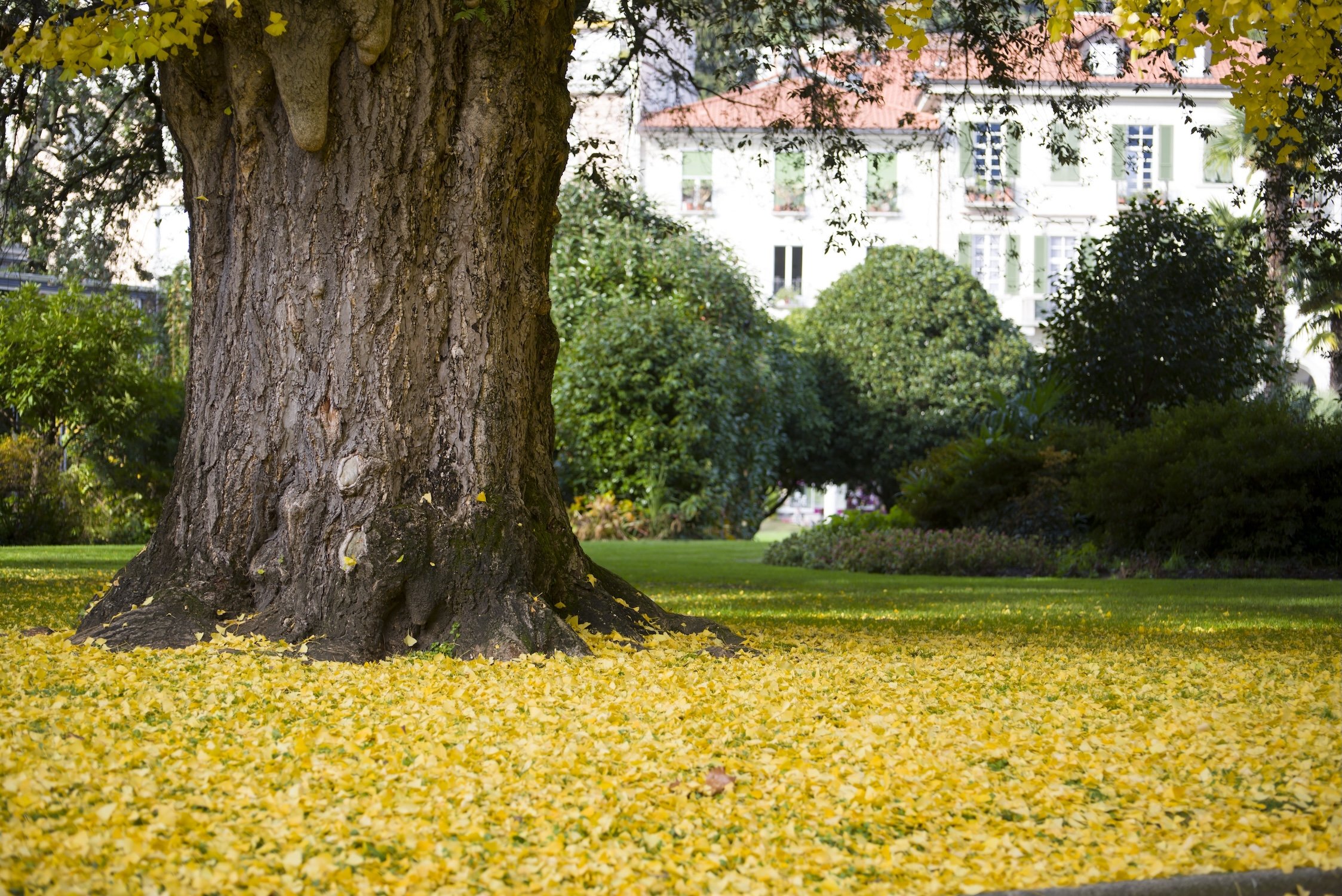
As August draws to a close, amid the arrival of cooler days and the first autumn storms, September has arrived. Donning boots and gloves, we head out into the garden or onto the terrace because there are many jobs awaiting us before the colder months overtake us. Let’s explore the main tasks together.
Maintenance tips
We manually remove the last remaining weeds along walkways and paths.
We carefully check that tree ties and supports are well-anchored to prevent damage from autumn wind gusts, just as for clematis and climbing roses. We clean water tanks, likely empty after the hot summer, and check that they are in good condition, as are downspouts to maximize the recovery of autumn rainfall. Rainwater is often better for plants because it has a lower pH and is less calcareous than mains water.
We begin by collecting the first fallen leaves, adding them in thin layers to the compost bin. We’ll then add them to the soil to improve its fertility, structure, and water retention capacity. Be careful to discard any leaves showing signs of plant disease, such as those of rose with scab. To collect the foliage, we can also use a garden vacuum in shredder mode, which will allow the leaves to decompose more quickly during the composting process.
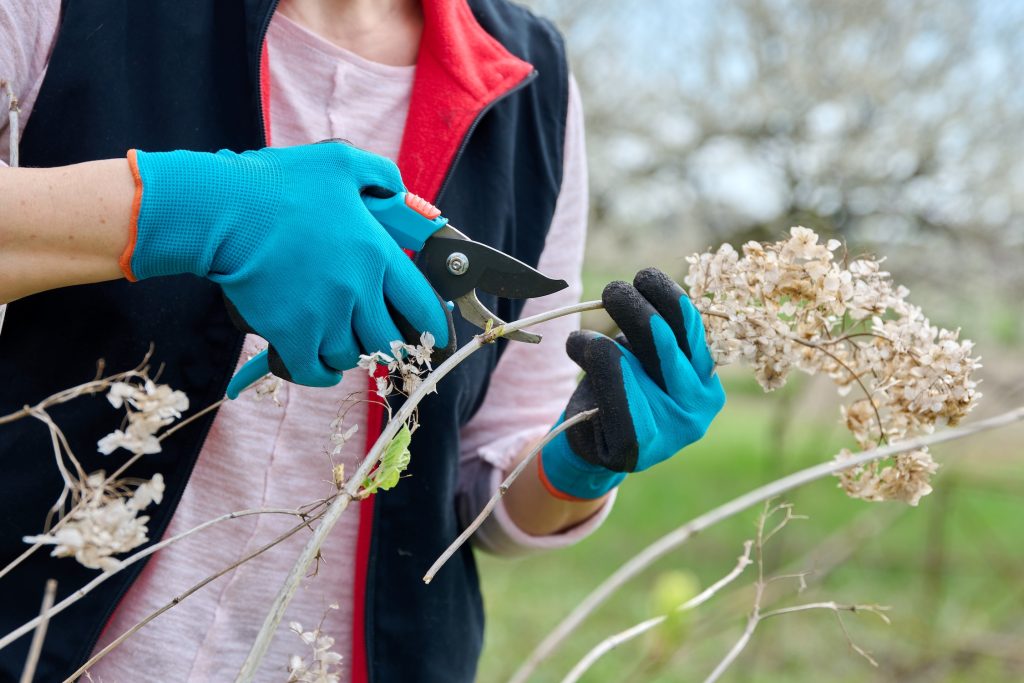
We also cut off the faded inflorescences and keep the edges of the flowerbeds tidy.
We clean and divide clump-forming herbaceous perennials, including many ornamental grasses, that are too compacted after flowering, taking care not to damage the roots. Dividing species such as Aquilegia flabellata, Bergenia cordifolia, Convallaria majalis, Heuchera spp. will allow for healthier, more vigorous specimens that will provide a unique ornamental accent for years to come with their flowers or decorative foliage.
Transplanting and sowing
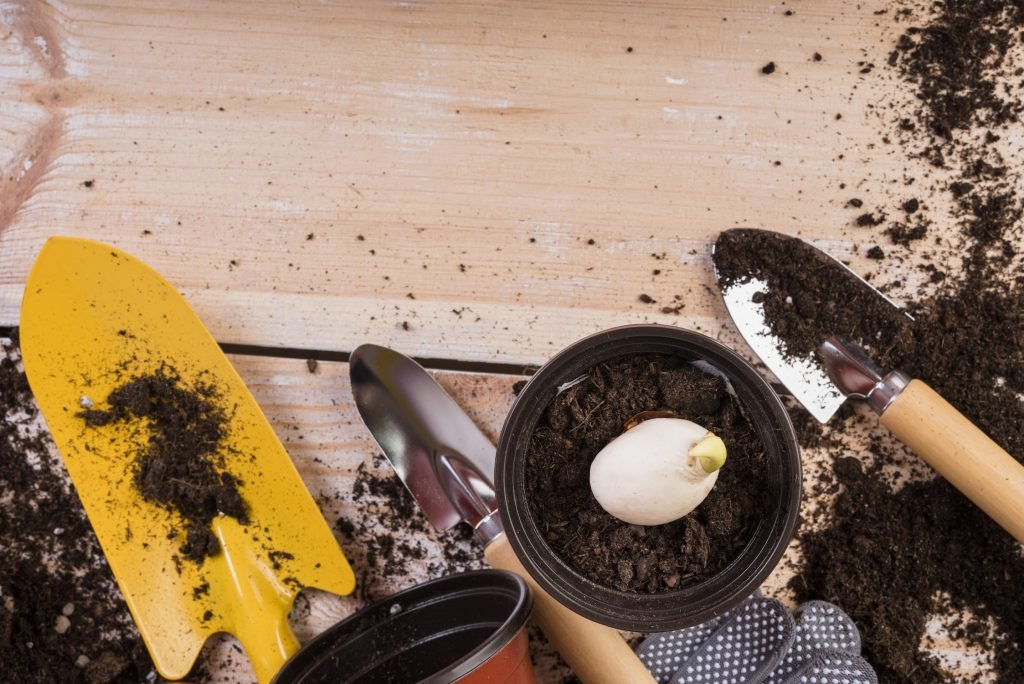
Using a bulb planter, we plant spring-flowering bulbs such as crocuses, hyacinths, irises, and daffodils to achieve results similar to the colorful canvases of impressionist painters, always making sure that the bulbs are dry, dormant, and not soft.
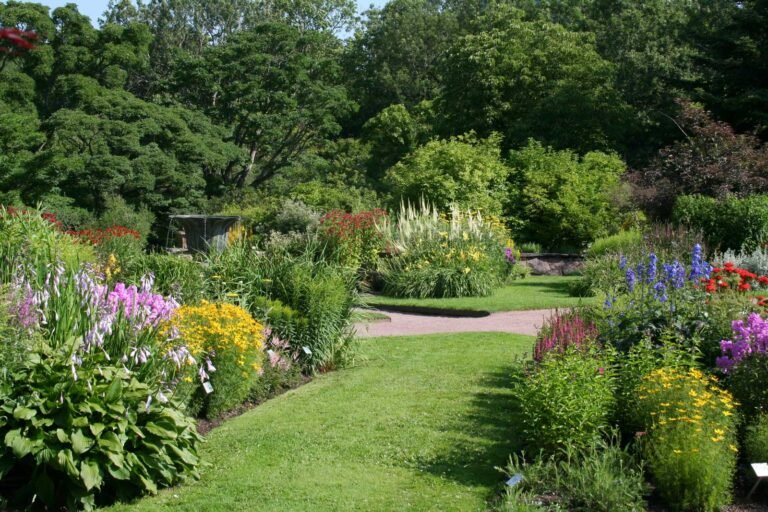
We fill any empty spaces in flowerbeds or borders with ornamental grasses such as Imperata cylindrica, Muhlenbergia capillaris and Pennisetum alopecuroides together with late-flowering herbaceous perennials such as Anemone hupehensis, Aster, Chrysanthemum coccineum, Delphinium grandiflorum and Echinacea purpurea .
If the temperatures are not yet high, we can transplant shrubs such as Abelia chinensis, Berberis thunbergii, Calluna vulgaris, Erica carnea, Nandina domestica and Skimmia japonica.
Indoor Plants
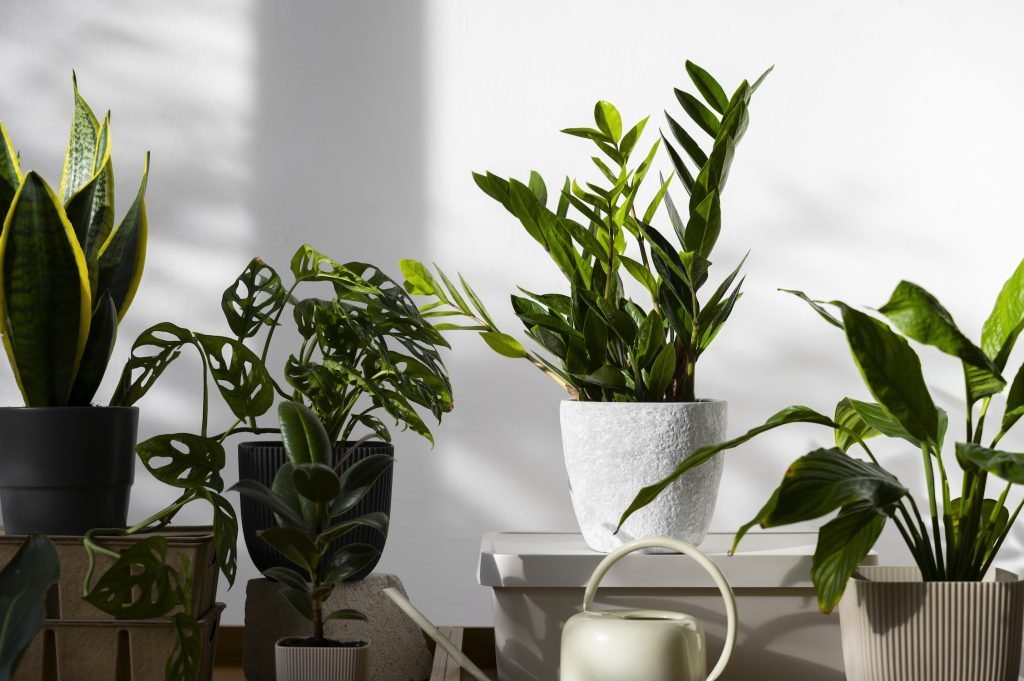
If temperatures begin to drop, we should move our houseplants to a sheltered location with exposures suitable for the botanical species and away from cold drafts. We should water them under the canopy, reducing the frequency to prevent water stagnation that can lead to root rot. Furthermore, we should avoid using excessively cold water.
We repot those plants that have grown significantly and whose pot is not proportionate to the size they have reached, always remembering to use a specific, new, high-quality professional soil.
We clean the leaves with a cloth dampened with water, for example those of Ficus lyrata and Sansevieria trifasciata which tend to accumulate dust. We also check for the possible presence of harmful insects such as aphids, scale insects and thrips, which must be eliminated promptly with specific products.
We always observe our plants which must have a balanced shape, free from drying out and with healthy leaves free from discoloration.
We fertilize, on average once or twice a month, adding a liquid fertilizer specifically for indoor green plants to the pot on moist soil, continuing until autumn.
Vegetable Garden and Orchard
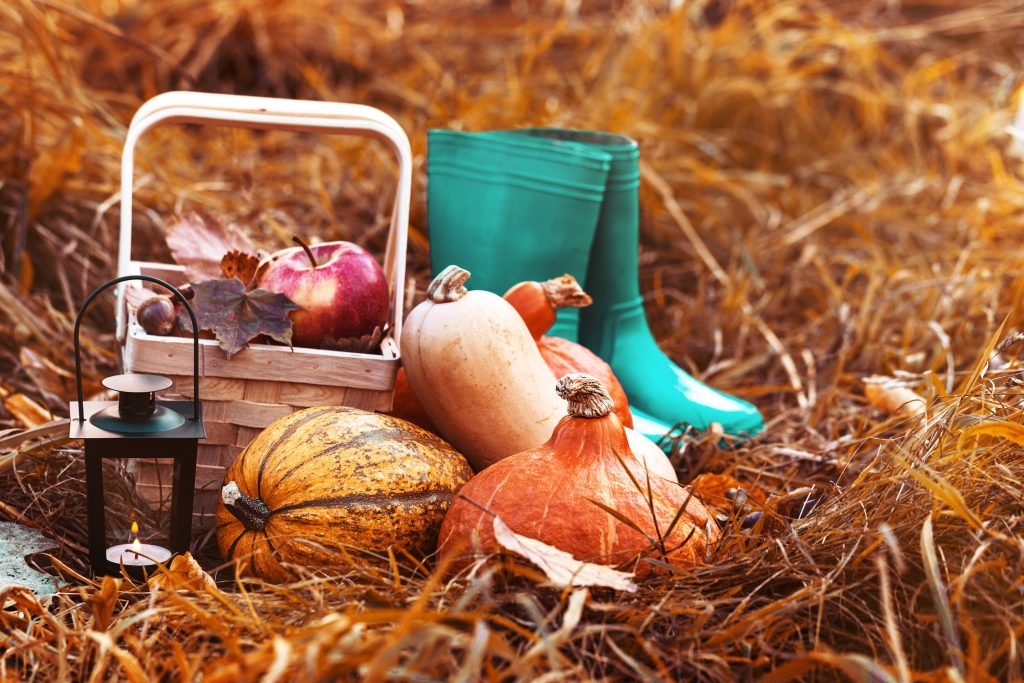
Faithful to the concept of seasonal fruit and vegetables, in September we can harvest numerous crops that we have patiently and diligently looked after during the previous months such as the first fennel, the onions, the green beans and peas, potatoes , leeks, some pumpkins, the last tomatoes and courgettes.
We collect the exquisite figs and the delicious pears.
Let’s not forget about the new transplants, especially carrots, catalogna, cauliflower, cabbage, Tuscan black cabbage, leeks, radicchio, spinach and savoy cabbage.
Lawn care
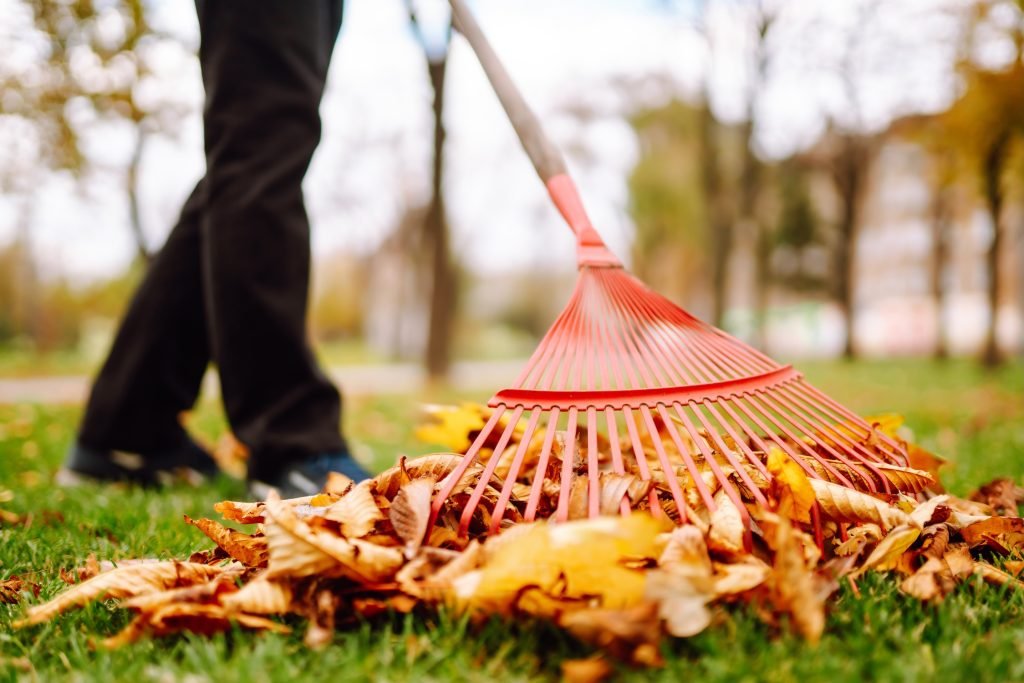
We remove the first fallen leaves frequently and do not put it off until late autumn because the prolonged presence of the foliage on the lawn can reduce the amount of light and cause yellowing.
We perform aeration and a lower cut to remove any thatch and combat any remaining weeds.
Let’s remember to add a specific fertilizer with a high nitrogen content.
To improve fertility we uniformly distribute organic matter in liquid or granular form while to prevent the development of feared fungal diseases of the lawn we intervene with a treatment based on Trichoderma spp.
And furthermore
We place nets around artificial lakes and ponds to prevent autumn leaves from falling and rotting inside. We dig up the gladiolus bulbs and store them in a shed or room protected from winter frost.
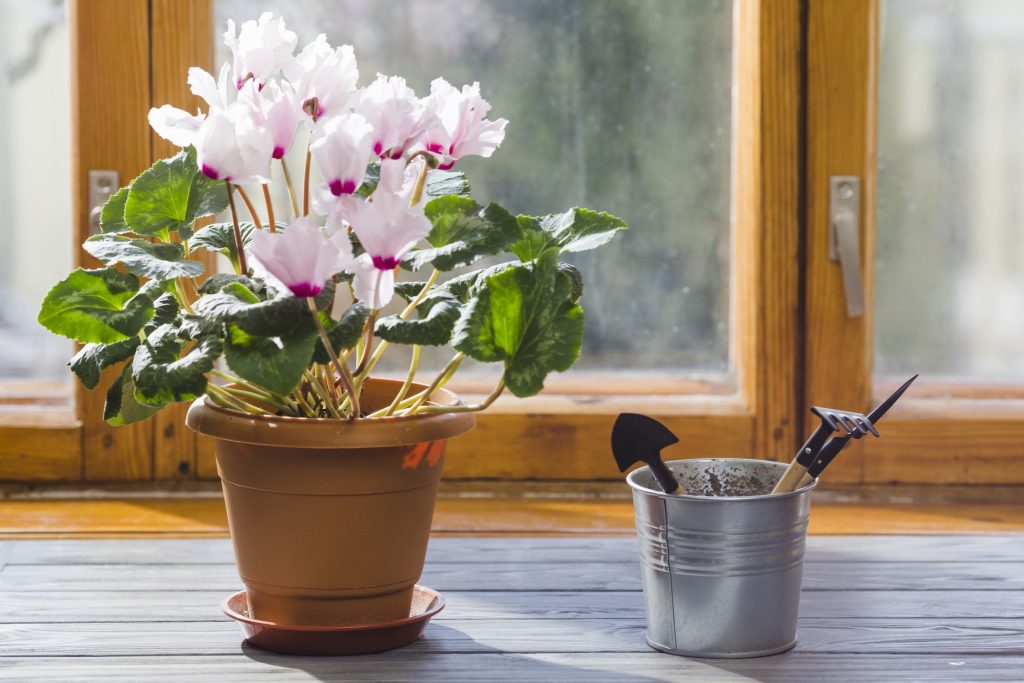
We decorate our terraces and balconies with cyclamens flowering in terracotta pots, adding a unique ornamental accent. For fantastic Christmas arrangements, we start planting hyacinth bulbs, keeping in mind that they will need to be forced through a cool, dark period. We also wait until October for the Hippeastrum (Amaryllis).
Let’s pot up aromatic herbs, such as chives and parsley , and place them on a sunny windowsill, so we can use them in tasty culinary recipes even during the winter, while we can preserve the chilli peppers collected by threading the stems through a cotton thread and hanging them to dry in a warm, dry place.
September is a fantastic month, we’re preparing for the autumn season full of colors and scents, and what better way than in the garden or on our terrace!