We have arrived at November, Deciduous plants show us colors and shades that are works of art with their colorful foliage, and waiting for autumn to accompany us towards winter there are a series of jobs to do this month. So let’s go and see together what your garden or terrace needs to best overcome the coldest season!
1. General maintenance
2. Pruning, division and cuttings
3. Transplants
4. Dish
5. Insects and birds
6. Indoor plants
7. Plan and design
General maintenance
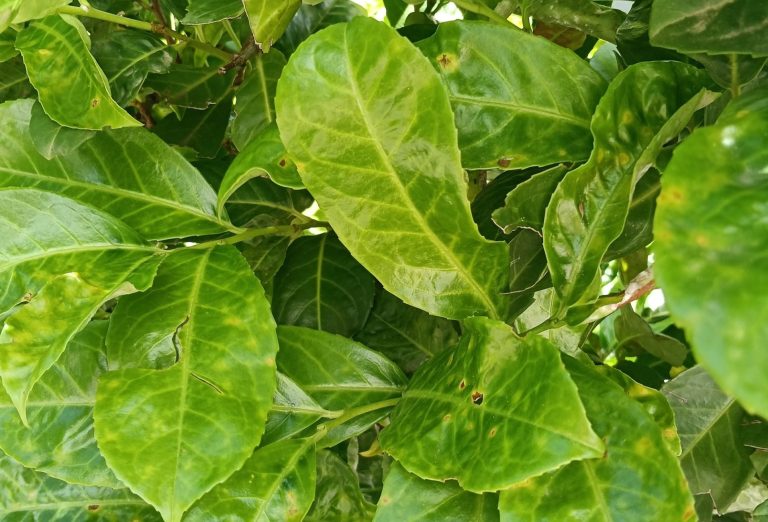
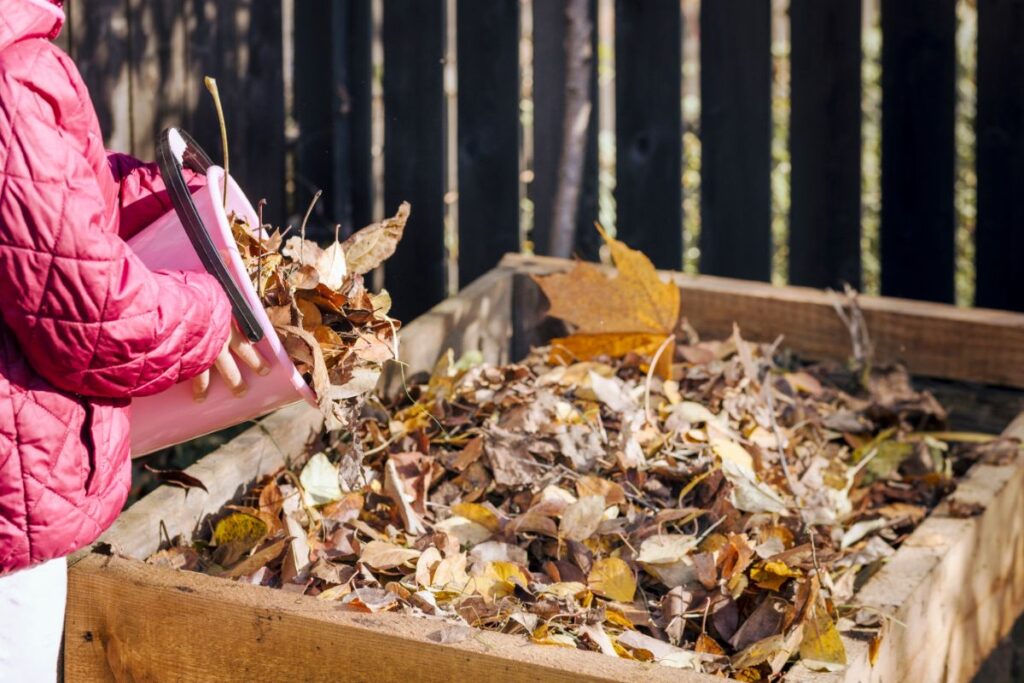
We remove the fallen leaves from the ground and place them in the appropriate composting container excluding and eliminating those that show symptoms of pathologies, such as black spot on roses, scab or rust, to prevent an infection next year; we can also choose to shred the healthy leaves on the ground, thus making them decompose more quickly, for example by cutting them on the lawn using a rotary mower with the relative collection container.
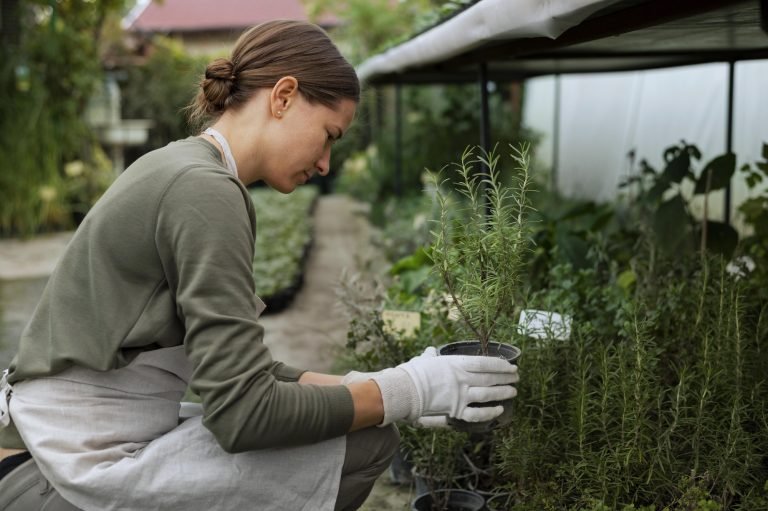
For the potted plants more vulnerable to frost let’s protect them by moving them in a sheltered and well-insulated place such as a greenhouse or a veranda in relation to their thermal needs. For those pots or tubs that could crack on the outside due to the cold we can wrap them with jute to insulate them, also raise them from the ground with “feet” and bricks to avoid water stagnation.
In the flowerbed we clean the herbaceous plants perennials by eliminating damaged and yellowed foliage, we remove seasonal or annual plants that have kept us company during the summer; in anticipation of the harsh winter we protect the less resistant plants with non-woven fabric and a layer of mulch distributed on the soil. We check that the tree supports are firm to the ground and the relative ties are well adhered without excessively tightening the trunks or branches so as to be able to withstand the elements without causing injuries. We lift, clean and store the dahlia tubers in boxes with straw placed in a dry place, first eliminating the foliage.
For the most part trees and shrubs we limit water intake while for the irrigation system we disconnect the programmer and make sure that pipes and lines are empty to avoid damage caused by freezing water, we clean filters and nozzles as well as the rainwater collection and recycling tanks if dry, we also isolate the external taps and pipes; if we then have fountains or ponds we remove the pumps from inside them before the temperatures drop below zero.
We repair trellises or pergolas if the climbing plants are stripping their leaves and we protect the garden furniture that cannot be moved inside under waterproof sheets.
We clean, dry, sharpen and protect with linseed oil the blades of shears and other garden tools before putting them away for the winter.
Let’s go and check the fruit and vegetables collected in the past months and stored, removing any fruit that possibly shows signs of rot.
Pruning, division and cuttings
We still have time for prune our rose plants also to prevent wind damage that could break branches or lift them off the ground.
When we proceed to prune trees and shrubs we take the opportunity to examine the branches for any signs of disease such as small cancers, drying out or localized rot to be removed before they spread, furthermore the pruning residues free from phytopathologies can be shredded and reused for the preparation of compost!
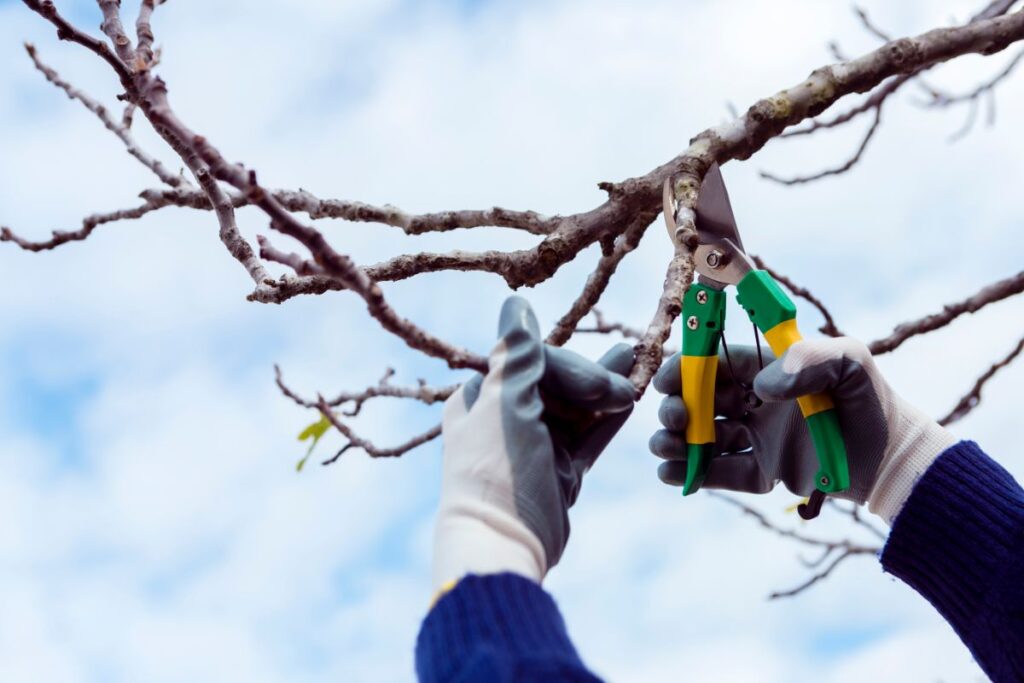
If we have apple or pear trees from now until the end of their dormant season it is possible to prune them as well as Fagus, Corylus and small fruits such as blackcurrants, redcurrants, whitecurrants and gooseberries while we wait to intervene for the species ofPrunus, among these the ornamental cherry and the almond tree, as well as for the evergreen plants. We also wait for those flowering shrubs such as camellia japonica and calycanthus that already show the buds of spring flowers, remembering however to fertilize them.
We can lifting and dividing herbaceous perennials provided the ground is not soaked or frozen.
We take root cuttings for common poppy, phlox and mullein as well as wood cuttings for shrubs such as Horn, Euonymus, Forsythia, Hydrangea, Ilex and Salix.
Transplants
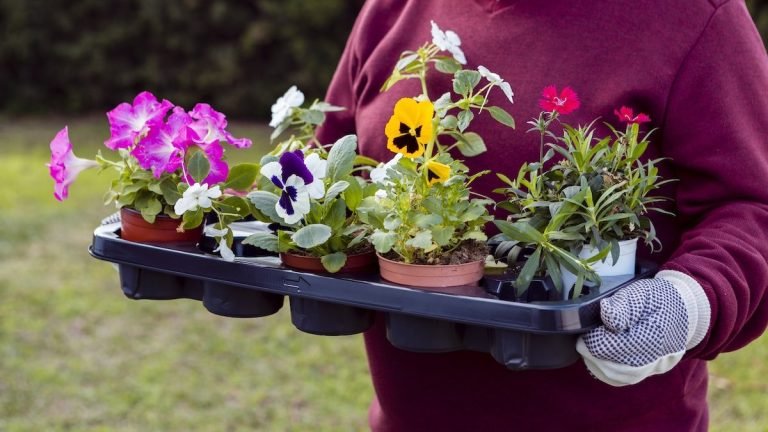
To give a touch of light and elegance to flowerbeds and borders during the winter period, there is still time to transplant herbaceous plants or small shrubs such as elegant hellebores with varieties of flowers of different shades, or ornamental cabbages, cyclamens, chrysanthemums, heathers, primroses, pansies, wallflowers or even Gaultheria procumbens and Calluna vulgaris making sure that the transplant soil is very soft, amended and draining.
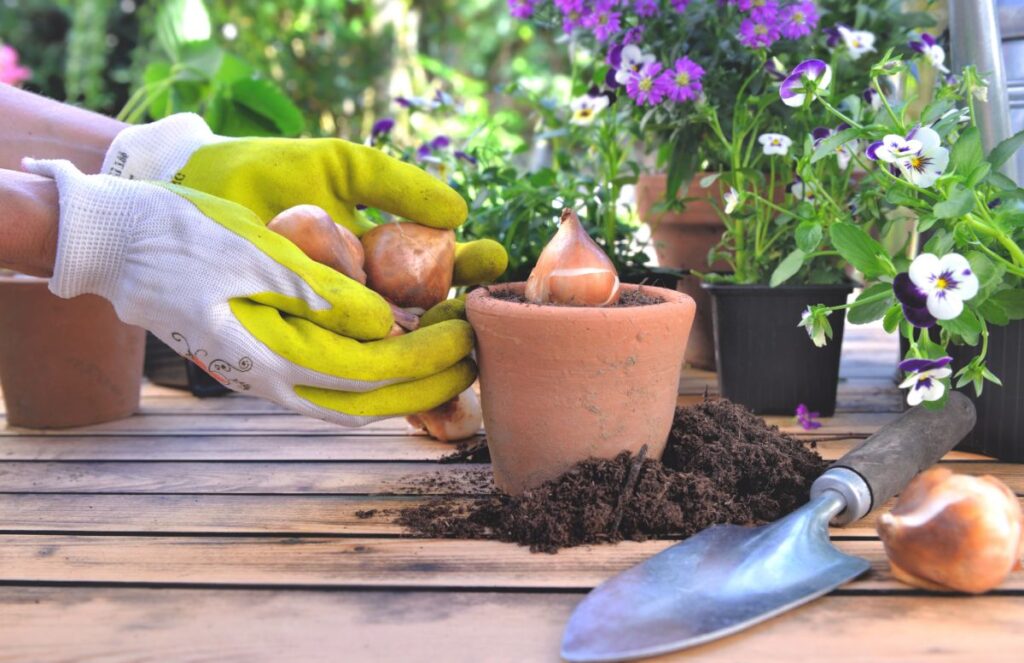
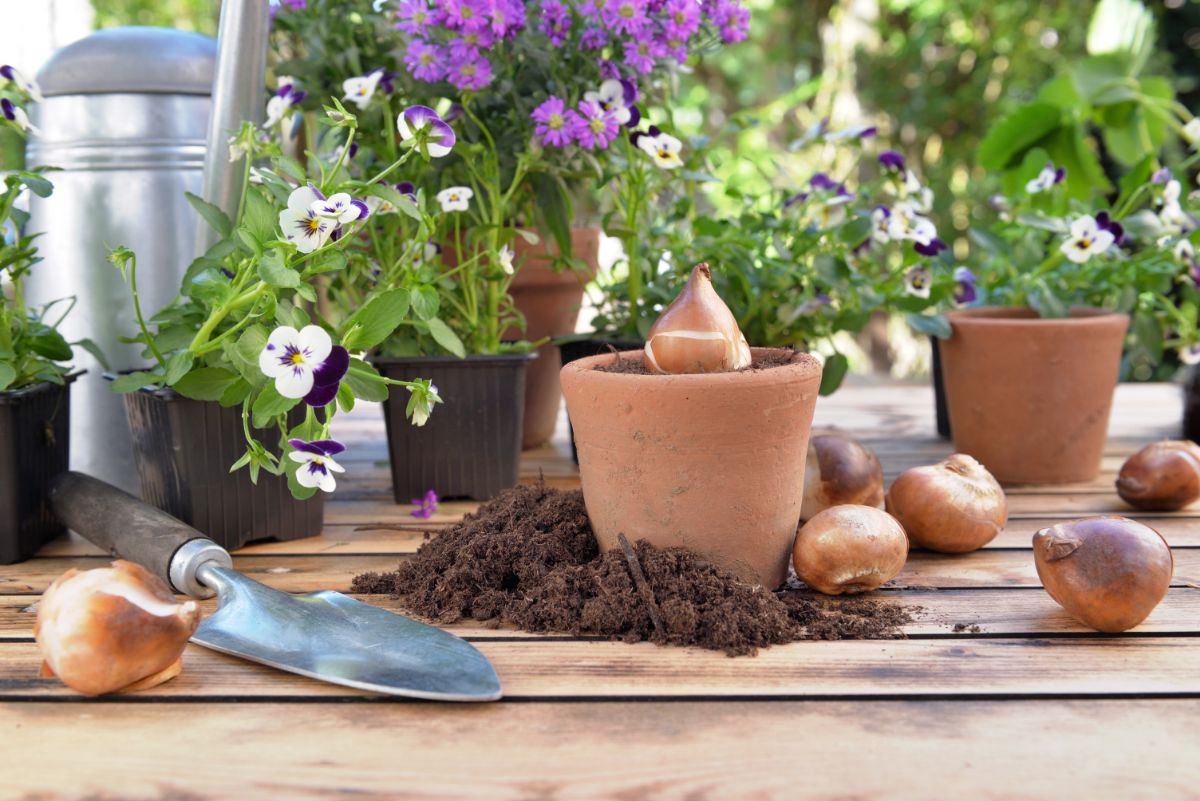
Nothing lights up the garden better than spring bulbs that give us color and vivacity before most perennials can flower; with planning, according to a predefined project in specific areas where the grass can be left uncut during their flowering, let’s arm ourselves with a planter also to facilitate the eventual cutting of the grass near the hole thus giving an accent of naturalness, and with crocuses, hyacinths, daffodils or tulips let’s prepare for a spring-summer show next year that will also be well received by pollinating insects, so important for pollination and the protection of biodiversity.
Before the weather gets really cold we plant deciduous, bare-root shrubs as well as peaches, strawberries, blackberries, rhubarb, currants and raspberries while they are in their dormant state; if we are lovers of roses, let’s hurry up to transplant them, taking care not to place them in spaces that the previous year hosted another rose to avoid damage from the so-called “transplant disease”.
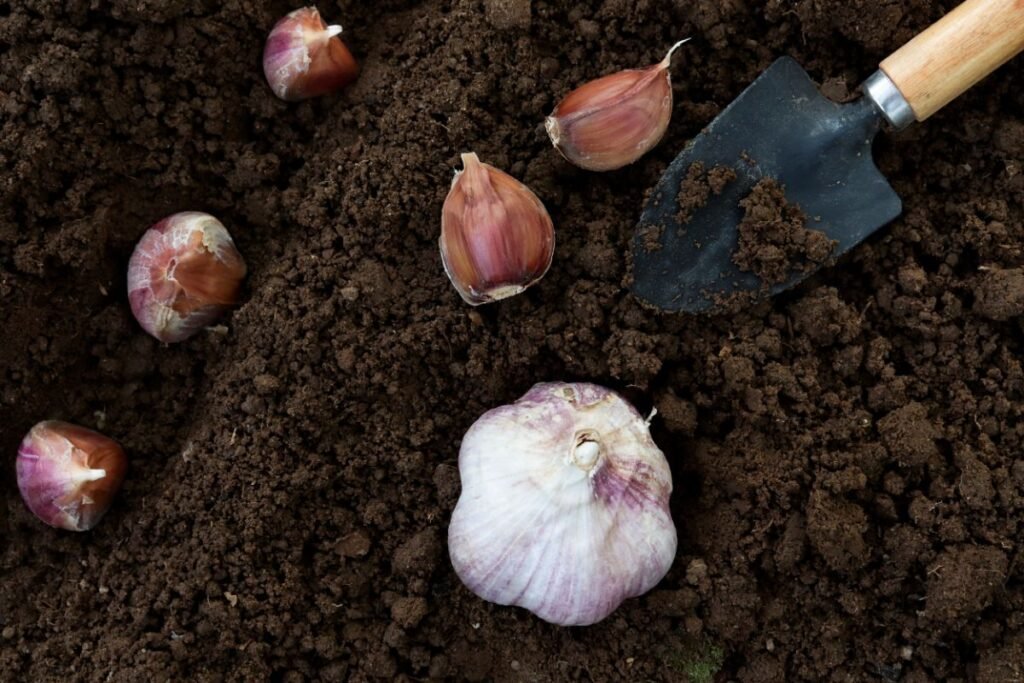
If you are lucky enough to also have a vegetable garden the time has come for plant garlic, onions and shallots, and sow broad beans and peas; we also proceed with the harvesting of cabbages, Brussels sprouts and Savoy cabbages
Dish
Let’s take care of our lawn by removing the leaves deposited on the surface with a rake and aerating it with a specific aerator or with a garden fork inserted at regular distances and slightly tilted to facilitate the entry of air. If the temperatures still allow it, let’s do a final mowing but increasing the cutting height to 2-4 cm more than in the summer and finish by edging, giving a tidier appearance and making future maintenance easier. For possible sowing, let’s wait patiently until next spring when the climate is milder. If your lawn is damaged and becomes muddy, because people walk on it regularly when it rains, you can consider the idea of laying non-slip stone slabs at ground surface level.

Insects and birds
Let’s help wildlife get through the coldest season with a few small gestures by always ensuring the presence of water and specific food in special feeders, making sure they are clean and well stocked! Our feathered friends will thank us by keeping the number of parasites in the garden low as well as bringing joy during the winter days.
Indoor plants
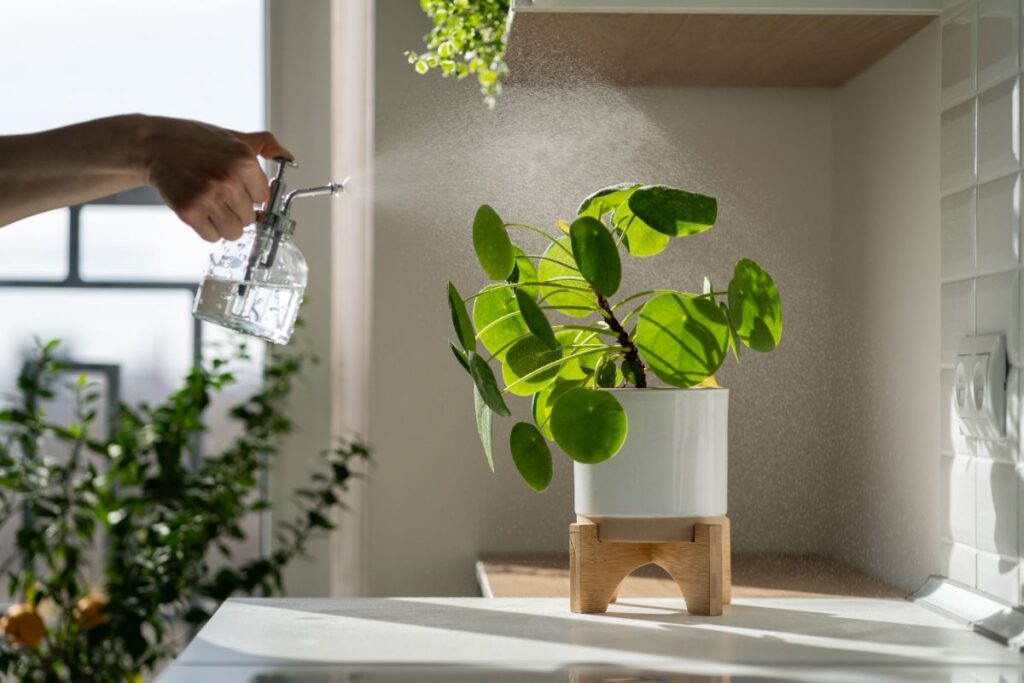
Winter heating in your home can dry out the air, let’s help therefore indoor plants by spraying them or placing the pots on a tray with pebbles and water to ensure adequate humidity, we also avoid leaving them in pots directly on the floor if there is underfloor heating.
Plan and design
We take notes and make sketches while walking in the garden or on the terrace and then sit in front of a cup of hot tea thinking about what possible changes or modifications you would like to make during the next year already preparing your list of seeds and plants to buy. Let’s also remember that there are numerous species that can give with their berries a touch of brightness during the winter such as Callicarpa, Strawberry Tree, Cotoneaster, Nandina, Viburnum as well as many varieties of roses.
Come on, prepare your green space in the best possible way to face the harsh winter, allowing it to wake up full of life next spring!