March is here: the days are getting longer and warmer. Now that the cold winter months are over, we are ready to welcome the beginning of spring. Where? In our garden, of course, with lots of work to do. So let’s take a look at how best to organise ourselves!
General maintenance
Sowing
Vegetable garden
Transplanting
Pruning
Lawn
Indoor plants
General maintenance
In mild areas, once the risk of frost has passed, we remove the protective covers from the plants while we wait patiently if temperatures are still low. Prepare flower beds and borders by removing weeds and dead leaves before mulching, but remember not to put unwanted weeds and leaves with signs of disease in the compost bin. Help perennial herbaceous plants by removing dry parts such as foliage and stems. Aerate the soil with a rake to promote oxygenation and proper drainage.
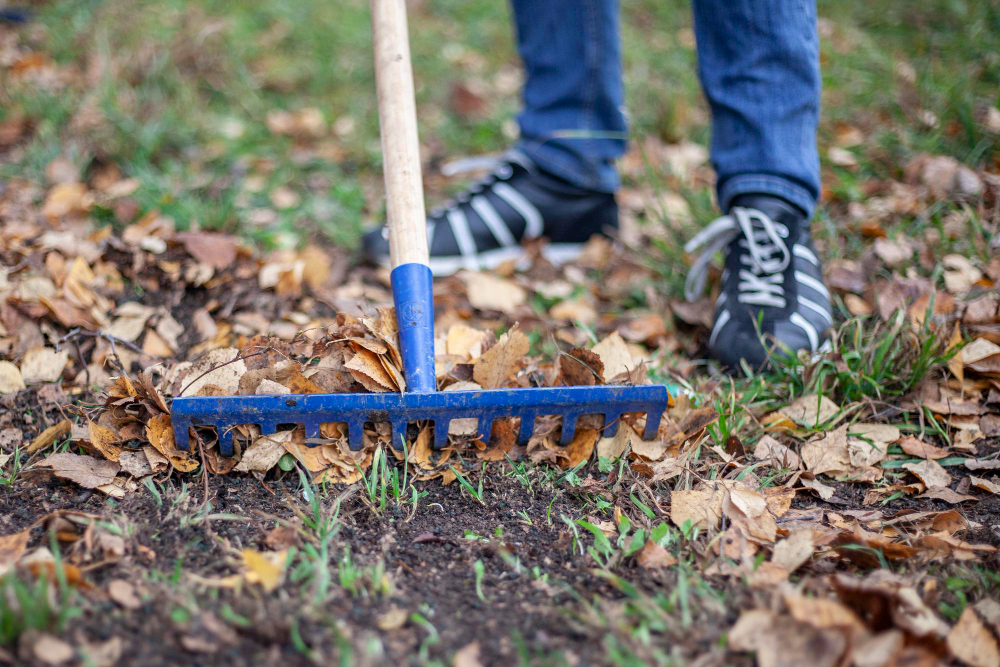
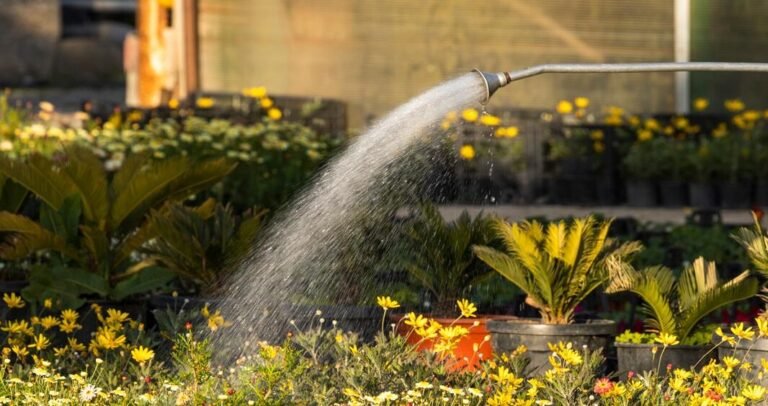
Check whether plants grown in planters and pots need watering, as even at this time of year they can dry out, but remember to water them with adequate amounts without causing waterlogging or saturating the substrate. Fertilise trees, shrubs, borders and hedges with organic or chemical granular fertiliser, spreading it at the base of the plant before lightly hoeing to allow it to be buried. Check that the support stakes are firmly anchored to the ground and that the ties to the stems are secure, replacing, tightening or loosening them if necessary. Carefully check whether recently planted trees and shrubs have lifted roots due to strong winter winds. If so, firm up the soil. Also, look for any early infestations of pathogens that could cause serious problems when temperatures rise and treat them with specific products. If no rain is forecast, repair and treat wooden structures such as arches, pergolas or fences with special paints or stains, and remove the annoying layer of dirt from steps, patios, paving and paths, using a pressure washer if the material allows it. If some plants, such as climbing plants, need support, remember to put it in place now, as adding it later could be more complicated and the result may not always be aesthetically pleasing.

Sowing
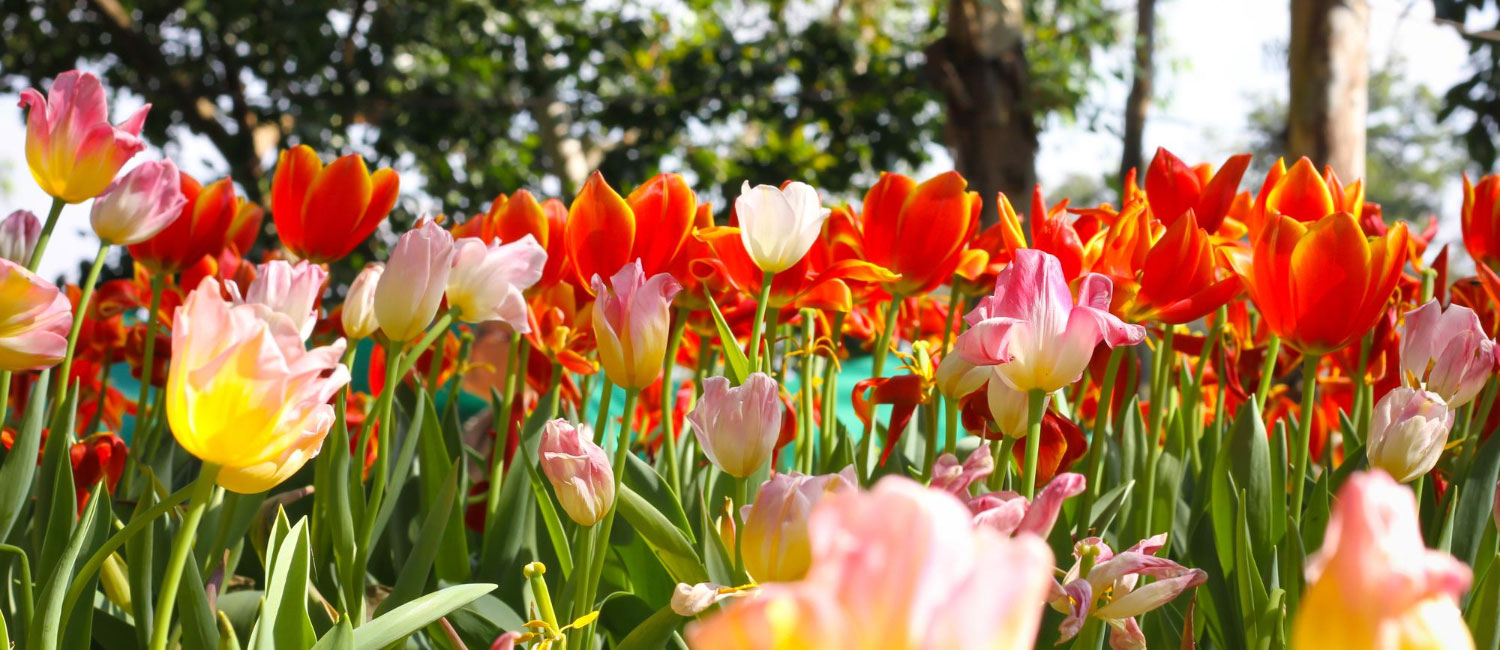
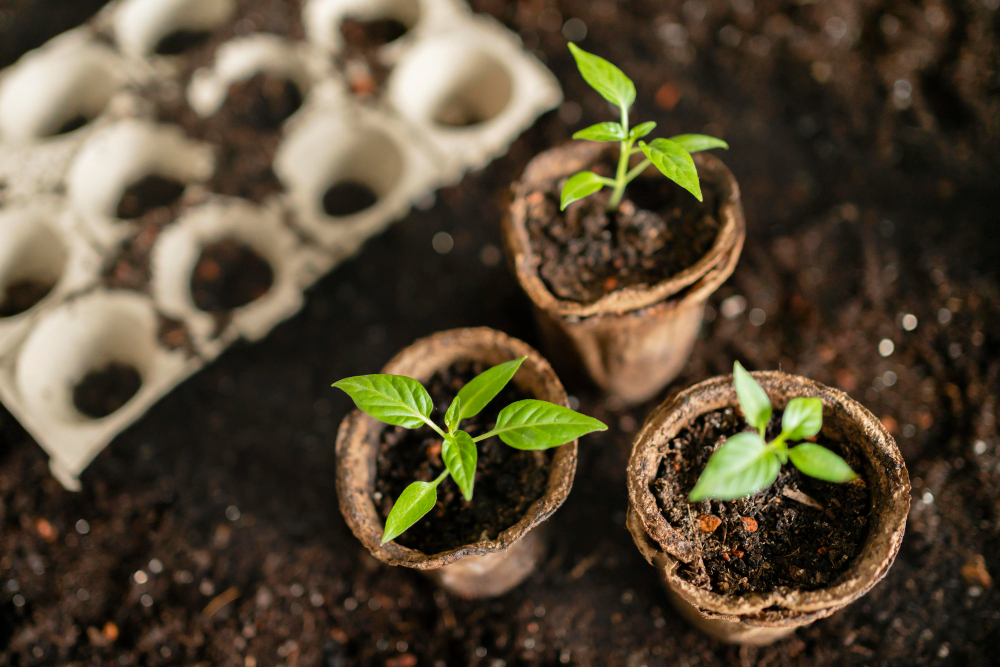
March is a good time to try our hand at sowing, some directly outdoors and others indoors or in a heated and sheltered place, so that the young seedlings can then be planted outdoors once the risk of frost, even late frosts, has passed. Among flowering herbaceous plants, now is the time for sow columbines, cornflowers and lupins outdoors in soft soil, or sweet peas and zinnias that can also be grown in pots! Wait until the middle of the month if temperatures are still remain consistently low, while for Ageratum houstonianum, Antirrhinum majus (snapdragon) and Verbena hybrida, we recommend a seedbed or hotbed using a light substrate specifically for sowing, as well as for chamomile and marigolds. forget summer-flowering bulbs such as dahlias, lilies, gladioli and gloriosa, which will transform our garden into a colourful palette. A tip: start a sowing diary to keep track of the period and the species or varieties sown, this will help us in the months to!
Vegetable garden
I would like to dedicate a separate chapter to all vegetable garden enthusiasts, as March marks the beginning of the most important period for sowing and transplanting.
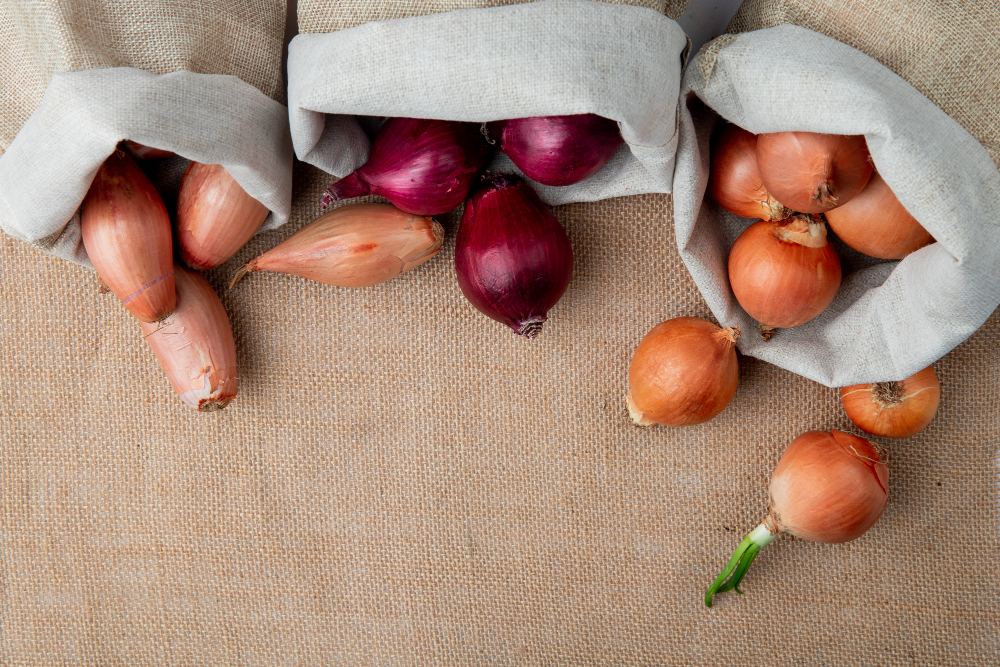
If the weather is mild and stable, we can sow directly in the open field on raised beds by lightly ridging, where the soil has been properly prepared during the autumn-winter season autumn-winter season, beetroot, Swiss chard, carrots, chicory, onions, Swiss chard, lettuce, leeks, parsley, radishes, rocket and spinach, while among the legumes it is time for chickpeas, beans and peas.
For sowing in open fields, even if the soil has been prepared in previous months, it is still advisable to lightly plough and remove weeds, for example with a hoe, which will simultaneously break up the clods and make the soil softer. We also apply a base fertiliser, burying specific fertiliser for horticultural species, which is useful for subsequent transplanting in mid-spring.
In areas where temperatures are still cold, we can sow under tunnels or, alternatively, use non-woven fabric (TNT) during the night. alternatively use non-woven fabric (TNT) during the night; in protected cultivation, we sow basil, artichokes, cucumbers, aubergines, tomatoes and pumpkins, whose seedlings will then be transplanted into the open field between mid-spring and the end of spring. I know I already wrote about this in my previous article in February, but let’s remember that there are also heated propagators or seedbeds on the market that can help us achieve excellent results in terms of germination and vegetative development.
Potato tubers are generally planted from mid-March, traditionally on St Joseph’s Day, but it depends on the weather conditions, as it is possible to start when daytime temperatures are above 10 °C, with an optimal range between 12 and 18 °C. According to some horticulturists, the choice of when to plant potato tubers is also influenced by the ‘moon phase’, in particular the waning phase, which is said to favour the transport of sap to the underground part of the plant, i.e. towards the roots and tubers. The same advice is also given for onion bulbs (Allium cepa) and Jerusalem artichoke tubers (Helianthus tuberosus).
Transplants
With the project in one hand, which we drew up while sitting in the warmth during the winter, and
a nice spade in the other, we proceed with the transplants, remembering to make planting holes
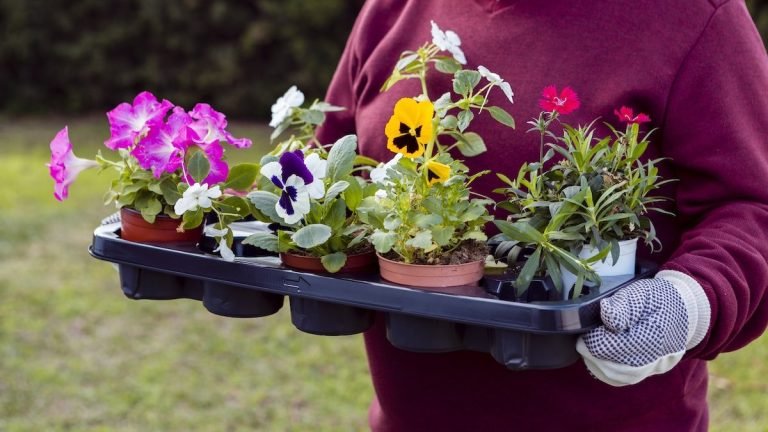
that are proportionate to the size of the root balls and aerial parts of the plants, as well as position the latter with the collar slightly above the soil surface. Taking careful that the soil is not frozen or saturated with water, we can choose from a wide range of species, depending on the location, exposure and desired ornamental effect, including Camellia japonica with its elegant bearing and distinctive flowering, Hydrangea quercifolia (oakleaf hydrangea), which will add a unique accent to gardens and terraces with its refined and showy conical panicle inflorescences, or Nerium oleander, an evergreen shrub or small tree whose landscape and ornamental value is conferred by its lush summer blooms with bright and vibrant colours. Among the herbaceous plants, Alcea rosea, Bergenia cordiflora, Fuchsia x hybrida, Primula polyantha and Viola cornuta should be planted in homogeneous or mixed groups. We also plant roses, avoiding areas where they have previously been grown to prevent replanting disease in the new specimens.
Pruning
We prune the branches of trees and shrubs damaged by the winter wind. We are just in time to carry out the last pruning of plants still in vegetative rest, before the buds swell. At the beginning of the month, we prune Cornus sanguinea, roses, fruit species such as peach, plum and kiwi, as well as summer-flowering shrubs such as Buddleja, Oleander and Hydrangea, while we wait until the end of the month for cherry laurel and privet hedges.
Lawn
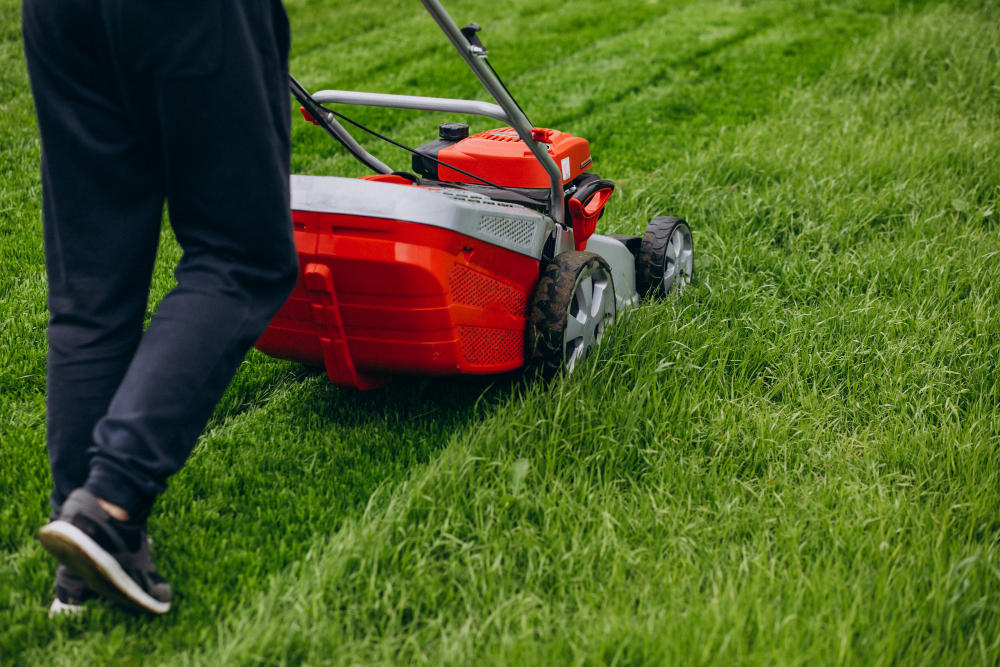
Gently remove the last dry leaves from the lawn with a rake. If necessary, mow the lawn for the first time on a dry, mild day, setting the blades 4 or 5 centimetres higher than the normal cutting height, and spread a nitrogen-rich fertiliser only if the temperatures are not yet too cold. Prepare the ground for sowing a new lawn by digging, weeding, levelling and lightly compacting it to allow it to settle, thus obtaining a uniform surface for sowing in April, when the weather will be milder. Also install lawn edging to simplify future maintenance.
Indoor plants
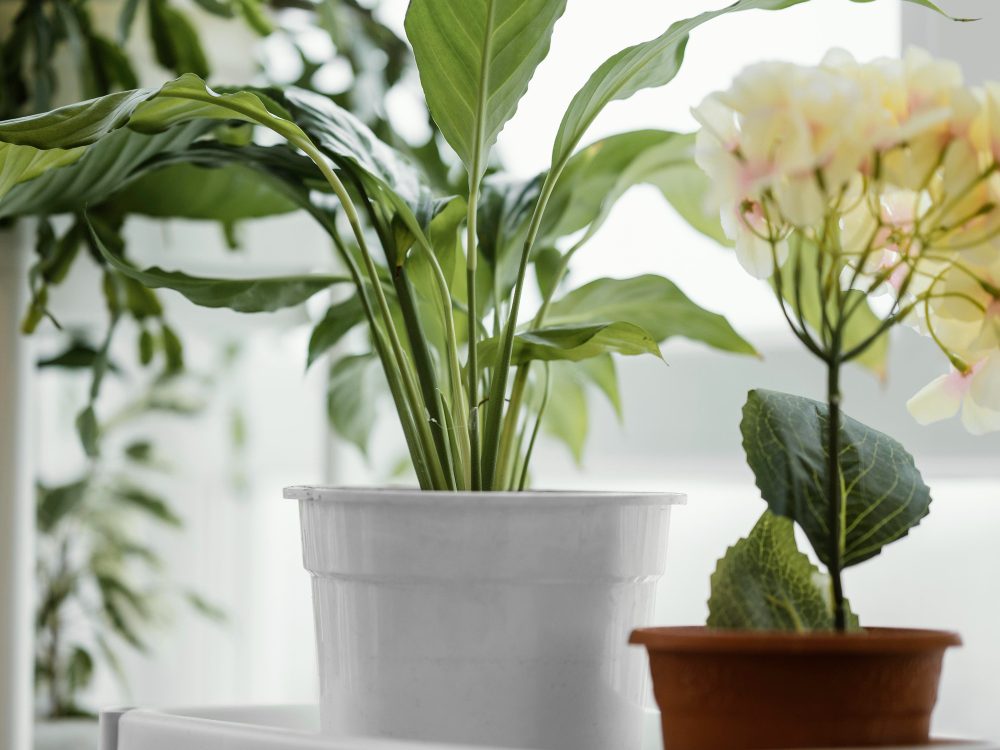
Repot your indoor plants in slightly larger pots using a high-quality professional substrate, taking the opportunity to remove dry or damaged leaves and carefully checking for any plant pathogens so that you can take prompt action with specific products. We water them more regularly, using lukewarm water, always checking the moisture level of the substrate before watering, and we optimise the amount of light they receive, depending on the species, by moving them to brighter or shadier spots, away from temperature fluctuations and cold draughts.
And finally…
Install one or more rainwater collection tanks for the coming season, placing them under the eaves to maximise collection.
We build a compost bin and thoroughly clean watering cans to prevent fungal diseases; we also make sure that garden tools, including lawnmowers, are in good condition, ready for the upcoming work! Let’s not forget to leave out food and clean water to attract birds. March, like the whole of spring, is the perfect time to spend outdoors, getting back to our green space, whether it’s a garden or a balcony. In short , the gardening season is beginning, so let’s get started!