Despite the long drought of this summer, fungal diseases are not deterred from appearing in the fields and in the vegetable garden, which, naturally, is one of the most cared for environments and is therefore regularly irrigated and fertilized.
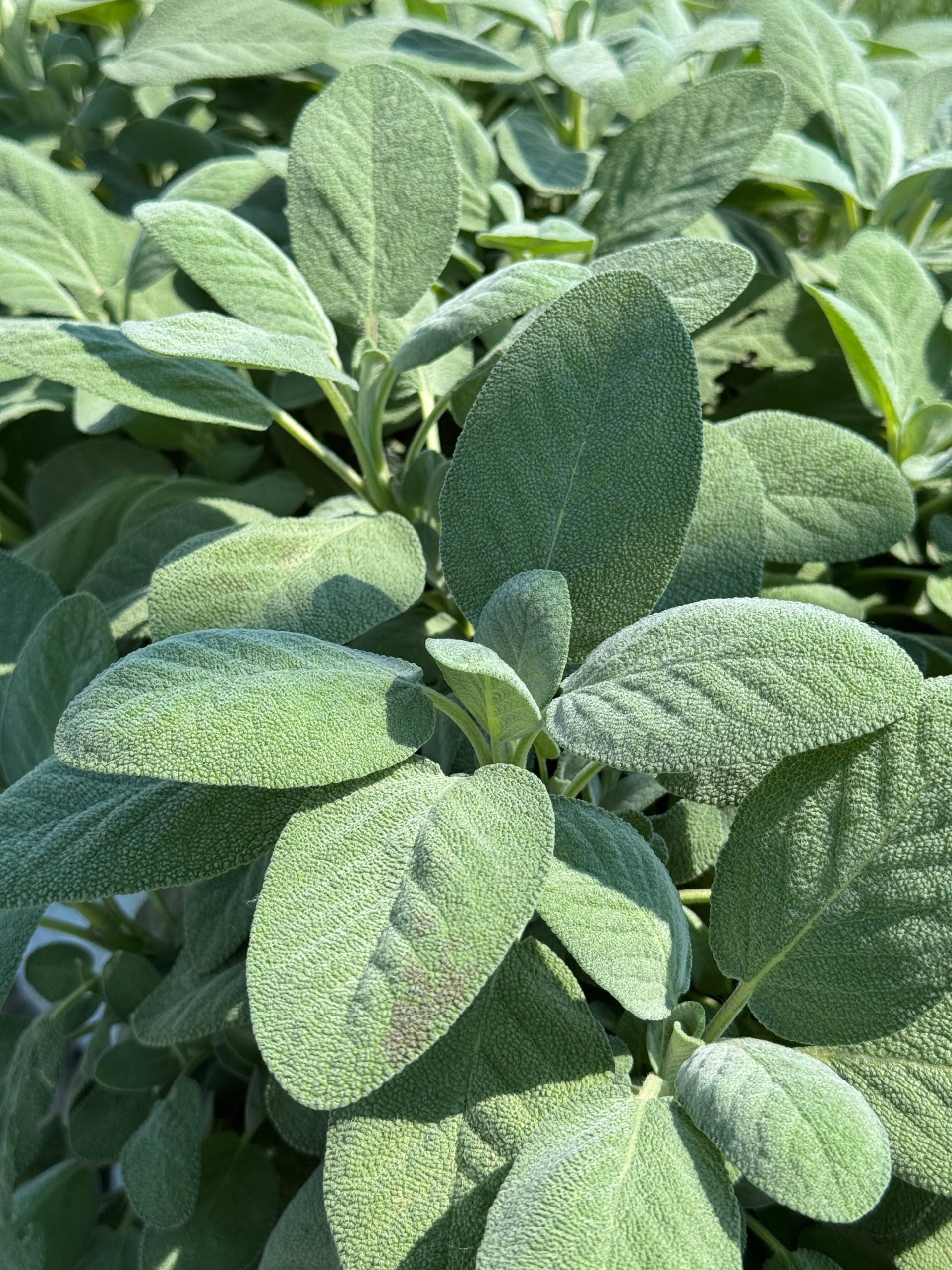
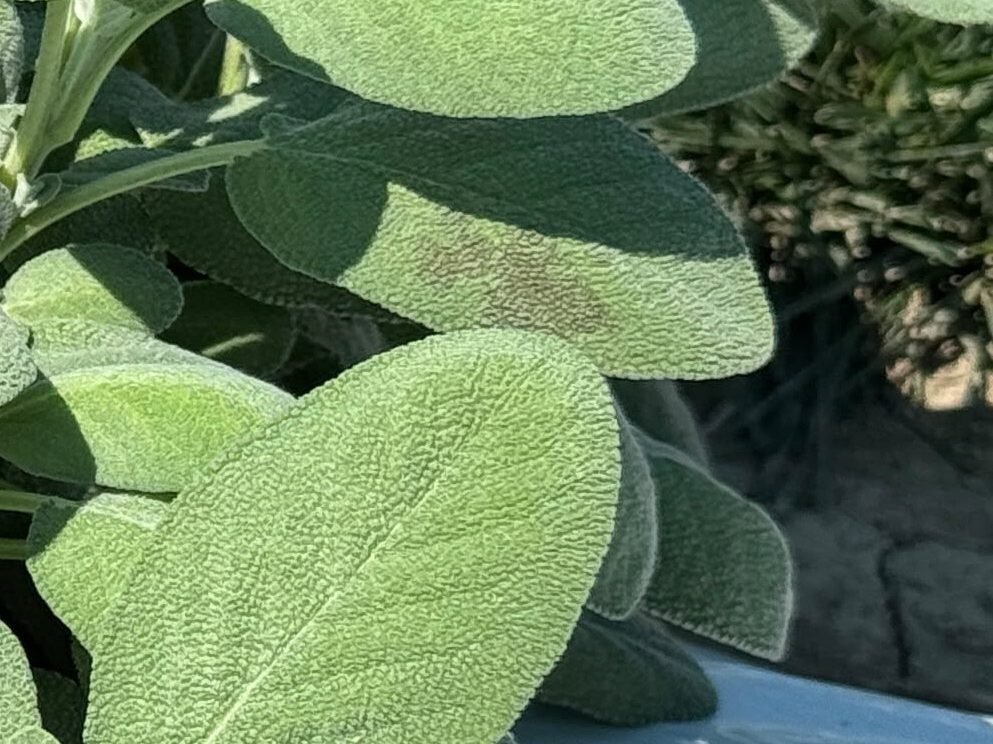
This is the season in which the fungal disease known as Peronospora belbahrii is most likely to appear, which typically attacks basil, but can also be found very frequently on other “fresh herbs”, such as sage (see photo).
Early symptoms can easily be confused with physiological problems, nutritional imbalances, and abiotic disorders. Over time, however, the picture becomes much clearer, and the initial small, sparse brown spots, mostly located between the veins, transform into larger, darker spots, which subsequently become covered with mold. This stage represents the so-called “sporulation”, which is when fungi spread spores to other leaves and nearby plants.
Understanding the disease cycle isn’t just a scientific curiosity; it’s important because it allows us to know, depending on the season, the plant’s stage of development and the evolution of symptoms, when to act, and whether to take preventive or curative action.
Predisposing environmental factors are equally important in guiding us to accurately identify the disease, as is knowledge of the mode of action of the active ingredients used. These can also have preventive or curative effects: acting when the disease is not yet present or has no visible symptoms, but we know that the environmental conditions are predisposing and therefore it could develop, or we already have the disease and need to stop its spread.
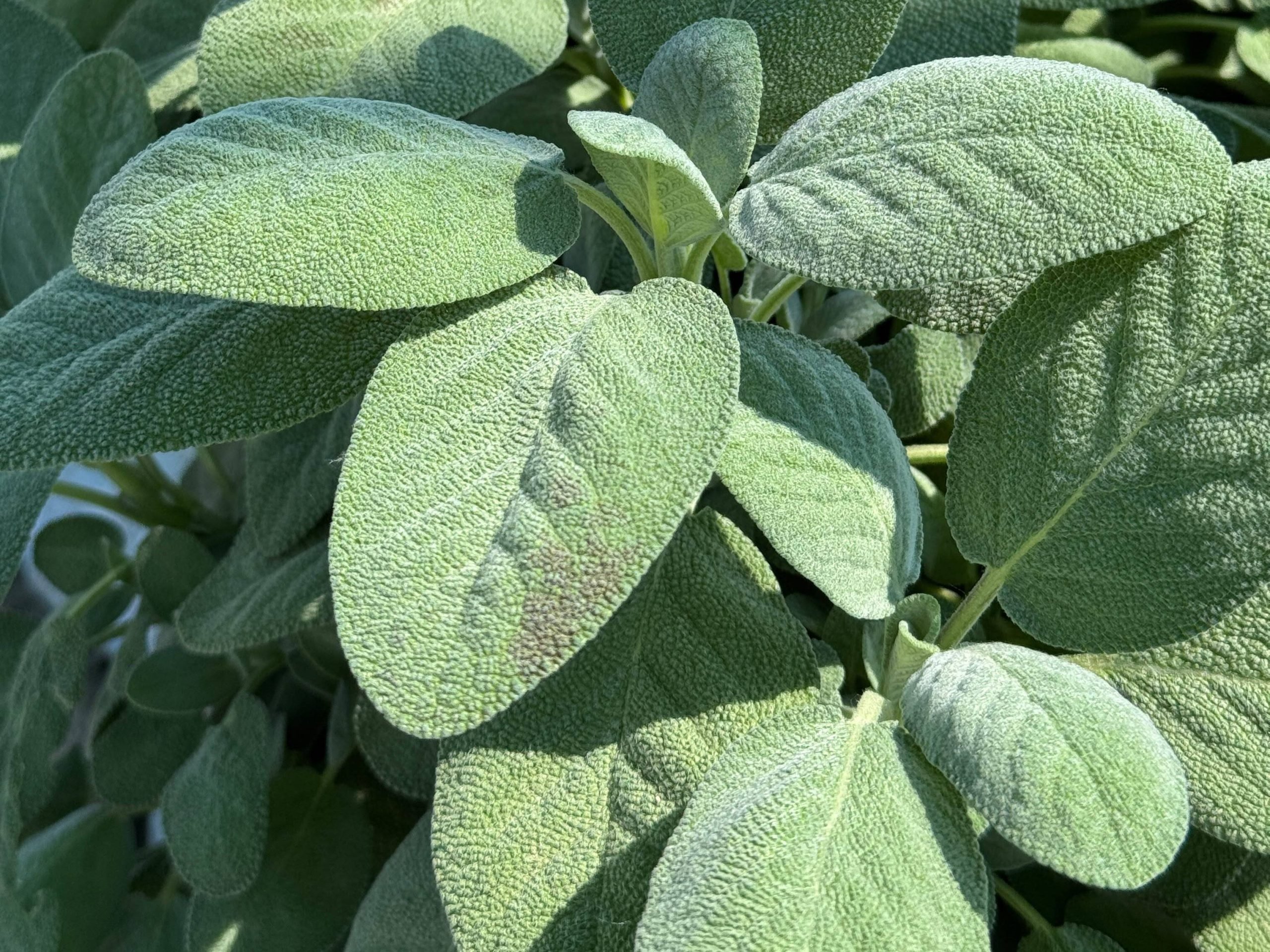
The fungus peronospora belbahrii is an oomycete; it can be transmitted by infected seed or, in the case of cultivated plants, spread through spores carried by wind, water, workers, or cultivation tools. Favored by prolonged leaf wetting and high humidity in mild temperatures, it first causes yellowing of the interveinal leaves on the upper surface, followed by the appearance of gray-purple mold on the lower surface. Without treatments, the infected leaves drop, and a new cycle of the disease begins as spores spread from fallen leaves to the ground.
Preventive measures are very important to adopt during cultivation. These include: extensive crop rotation, the use of treated seeds, tolerant varieties, planting distances that allow for sufficient ventilation, and limiting direct wetting of the leaves, especially in the evening.