July, with its long, warm days that linger late into the evening, is the ideal month to dedicate time to your garden or terrace, even after work, and to host parties surrounded by the splendor of flowerbeds and flowerpots. Here’s a list of suggested tasks to make the most of your green space.
General maintenance
We weed by manually removing the dreaded weeds from flowerbeds, borders, and planters before they have time to produce seeds. Alternatively, we can carefully use natural products permitted in organic farming.
Fertilize flowering plants regularly during the cooler hours of the day by adding a specific liquid fertilizer for ornamental plants to the substrate or soil. Dilute the fertilizer in the irrigation water, but do not exceed the recommended dose or frequency. Carefully read the instructions on the product label beforehand. Also remember to fertilize moist, not dry, soil to avoid damaging the roots and burning the plant.
To regulate soil temperature, retain moisture, and combat weed growth, spread a layer of mulch across flowerbeds and borders.
Let’s focus on potential damage caused by nutritional deficiencies or plant pathogens, intervening promptly after seeking advice from a qualified agronomist or gardener.
We remove faded flowers from repeat-flowering species by pruning them to stimulate a second bloom and maintain an attractive appearance for longer. If we’ve decorated flowerbeds or pots with Coleus blumei , remember to cut the inflorescences to keep the foliage’s fantastic color tones vibrant.
Remember to stir and turn the compost bin to keep it well aerated, speeding up the decomposition process.
Irrigation
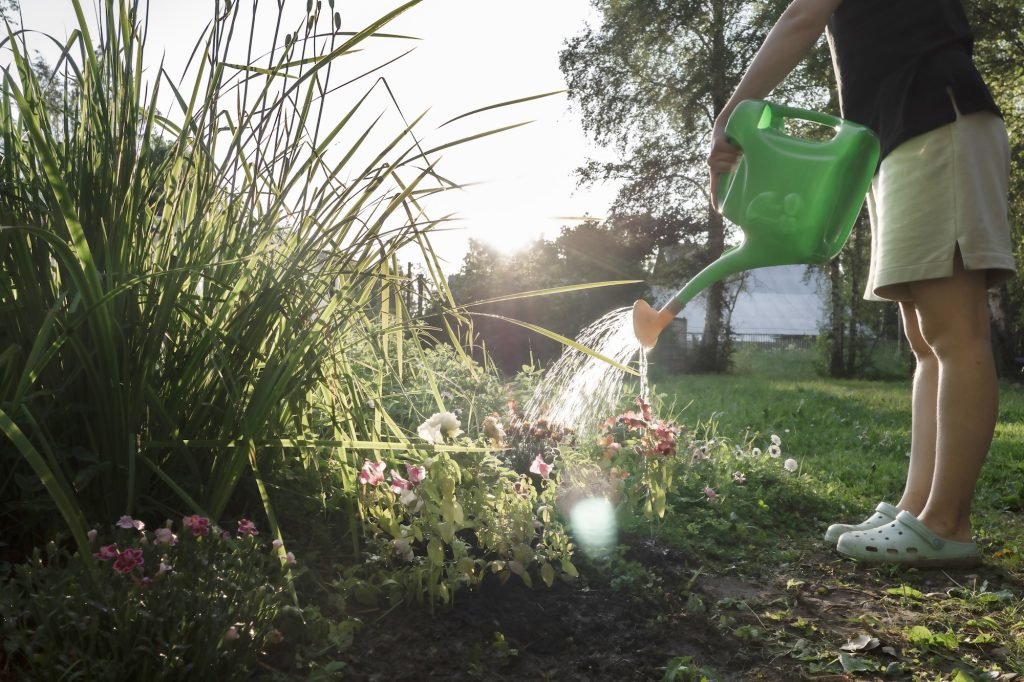
July is one of the hottest months of the summer, so we must pay extra attention to our plants’ water supply to prevent damaging drought stress and even complete death. Regularly water pots, planters, and hanging baskets during the coolest hours of the day to reduce evaporation, without causing waterlogging. For flowerbeds and borders, water when the soil is slightly dry, not directly watering the plants from above but by applying water at the base. To make things easier, especially when planning your holidays, install or have a professional gardener install an automatic irrigation system, adjusting the amount and frequency of water applied based on average daytime and nighttime temperatures. Clay cones, compatible with the necks of upturned water bottles or glass bottles, are also useful. Thanks to the material’s capillary action, they gradually release water into the soil or substrate, maintaining constant humidity. Remember to always use water sparingly, preferably rainwater from recovery tanks.
What if we have houseplants and are already packing our bags to leave? Self-watering pots with integrated systems could be an excellent solution for short periods of absence. There are many types available, preferably made from recycled plastic.
Summer blooms
July is generally not a good month for planting trees and shrubs because the climate is hot and dry, often causing post-transplant stress.
However, there are fascinating herbaceous perennials with a high level of hardiness that will add elegance to gardens and terraces with their summer blooms, such as the following species:
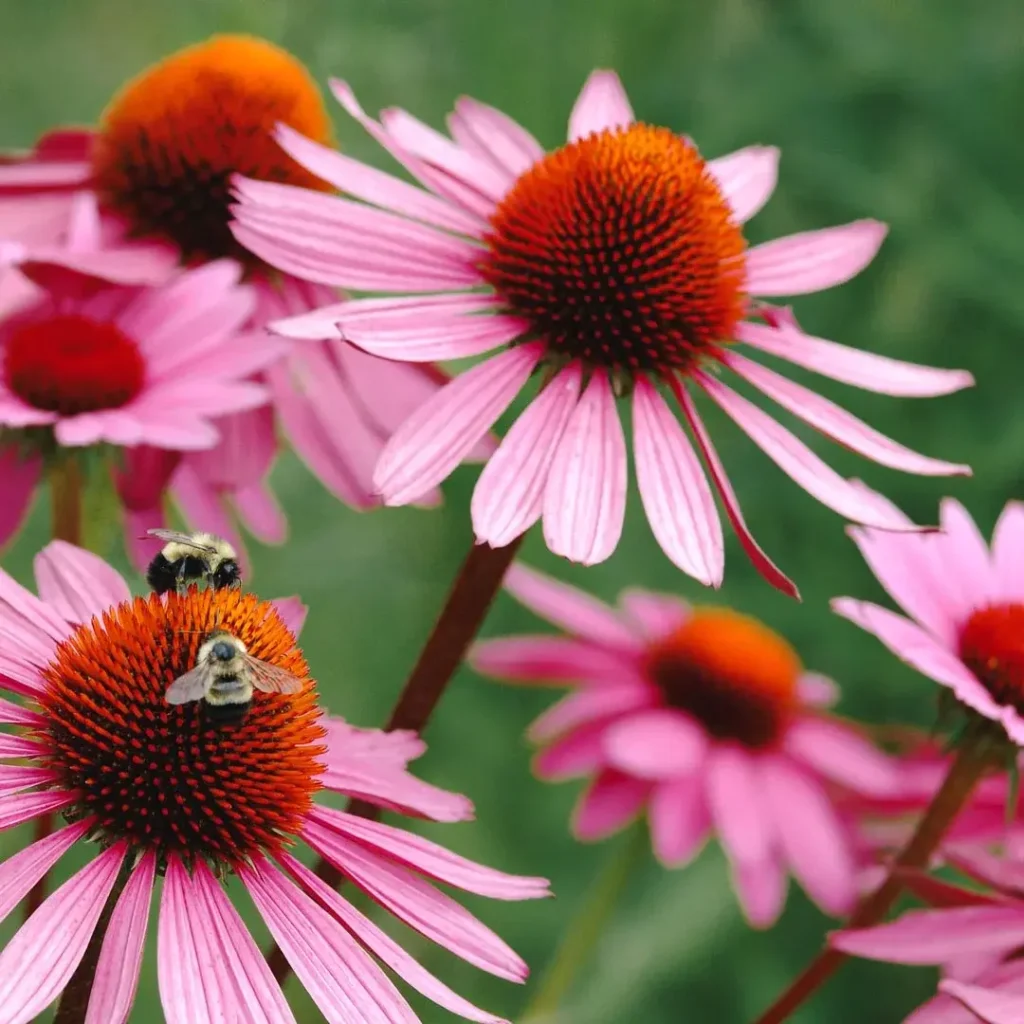
Perennial ornamental herbaceous plant used in landscaping to give a distinctive character to flowerbeds or borders as well as to outdoor planters and tubs, even in mixed compositions with other species such as Digitalis purpurea which is mainly grown as a biennial and flowers in the second year.
In recent years, Echinacea has become increasingly popular thanks to the spontaneous and elegant effect of its long stems bearing distinctive flower heads, with a prominent central disc and a ray bearing petals in a wide range of colors depending on the variety. Hardy, it tolerates summer heat as well as the cold of winter, during which it enters a dormant phase.
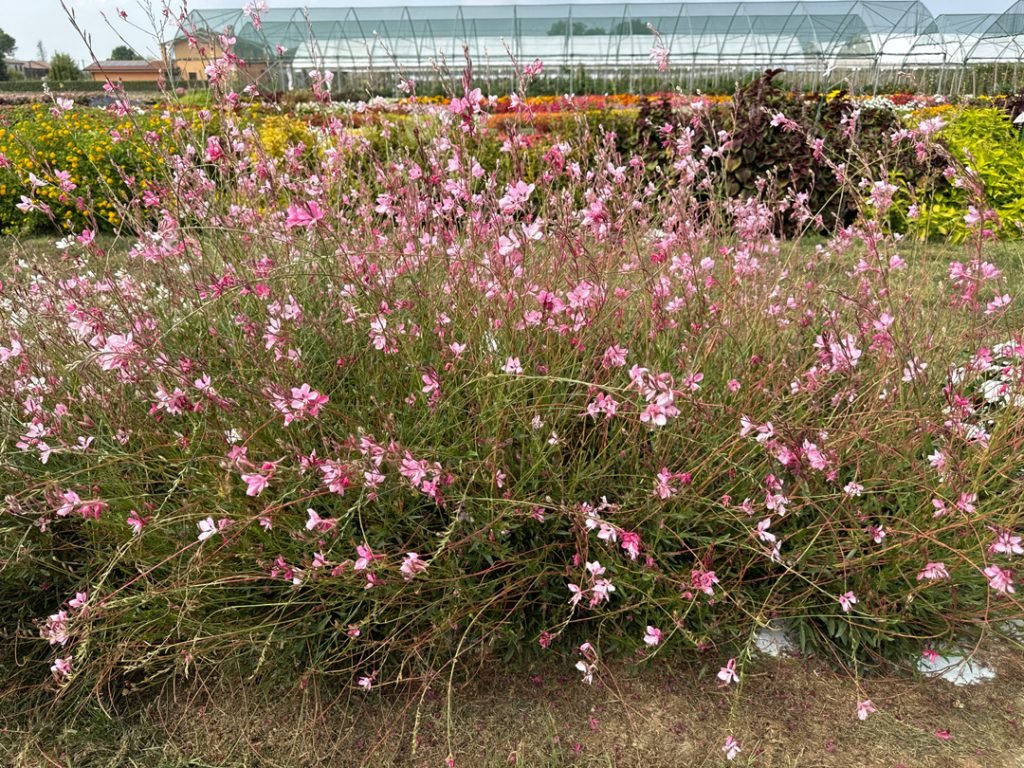
With its compact growth and abundant branching, it is appreciated by gardeners, landscapers, and greenery enthusiasts of all levels of experience for its spectacular flowering that continues from spring until mid-autumn with a profusion of graceful flowers resembling stars or butterflies that create voluminous masses of color with an elegant final scenic effect. Suitable for flowerbeds, borders, roundabouts, pots, and planters, even in compositions with other ornamentals such as Rudbeckia hirta and Salvia farinacea . Easy to grow and highly hardy, it tolerates hot and temporarily dry climates as well as cold ones, expressing greater hardiness in the flowerbed following proper post-transplanting adjustment.
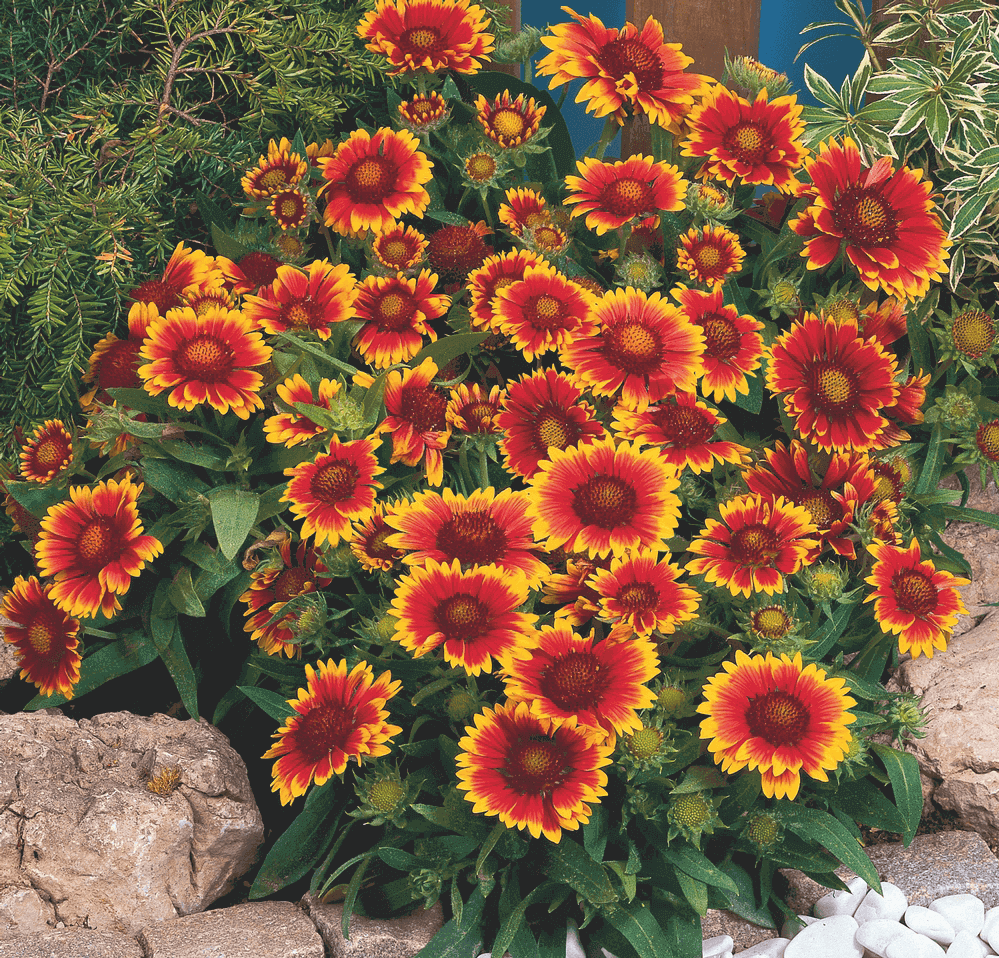
A small, tufted, ornamental perennial herbaceous plant suitable for flowerbeds, borders, rock gardens, and planters, where its bright, vivid flower heads add a luminous accent during the spring and summer months. After the petals fall, the receptacle takes on a globular shape, adding further decorative value. Its height allows it to be used both in uniform, compact patches and as a stand-out plant in mixed arrangements with other species. Resistant to summer heat, it tolerates drought well, making it a suitable choice for landscaped areas, even in urban settings, requiring little maintenance in a climate of increasingly dry summers.
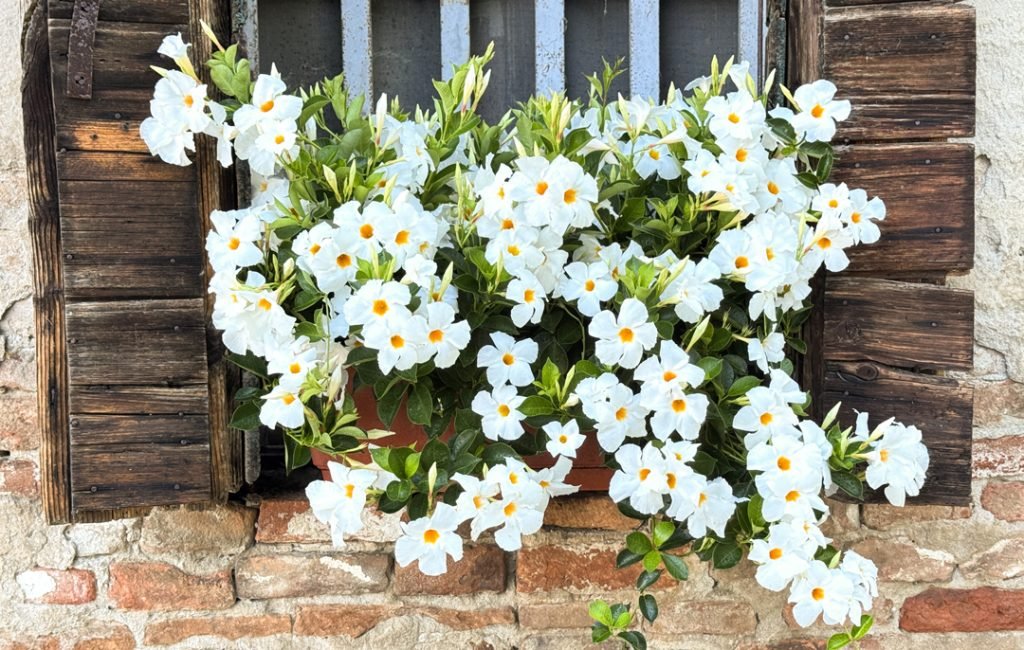
An evergreen perennial with a climbing or trailing habit, depending on the variety. Varieties also vary in the color of their tubular flowers, ranging from white to pink, red, and yellow. Suitable for warm, sunny areas in borders, planters, and pots. Native to the tropical forests of Brazil, it requires protection from harsh winters.
Among the annual species with summer flowering and resistant to dry heat, Portulaca grandiflora holds a position of honor, which best expresses the strength and vivacity of summer, proving to be the ideal solution for adding a touch of color to spaces exposed to full sun including flowerbeds, borders, terraces and balconies, rock gardens and hanging baskets expressing low water requirements. And how can we forget the Pelargonium x hybridum protagonist of balconies and terraces where it gives an accent of color and elegance inside pots and planters, alone or in compositions with other ornamental plants such as Euphorbia hypericifolia.
In addition
We pick raspberries and other small ripe fruits with the little ones.
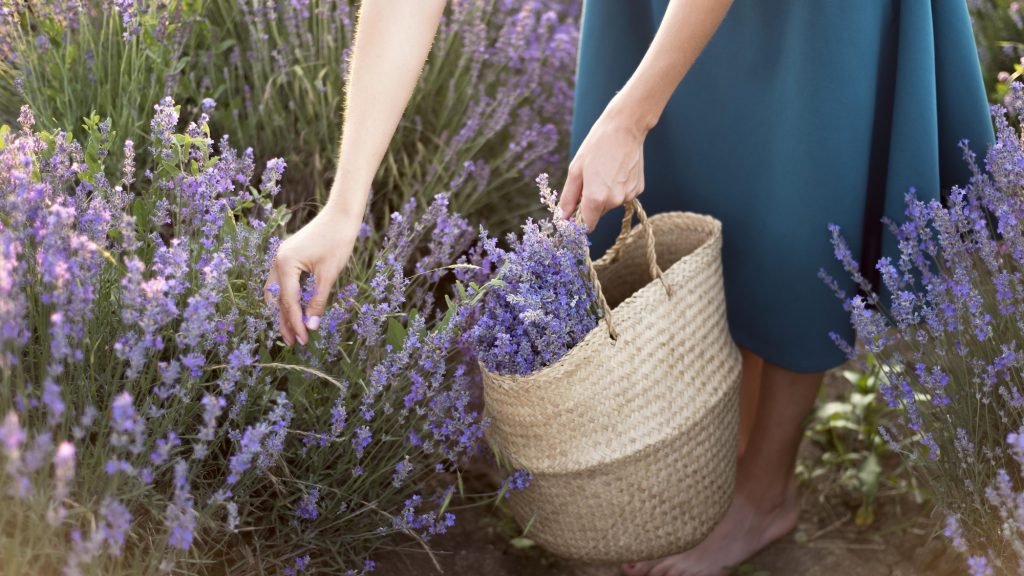
We cut some of the lavender inflorescences and let them dry to then naturally perfume wardrobes and drawers.
We always leave fresh water available for the birds that keep us company in our green space.
Let’s sit in the shade with a glass of freshly picked mint and, with pen and notebook, start jotting down any changes we’d like to make to our green space next year. It’s also time to order bulbs to plant in the fall for spring flowering.
What do you say? It’s summer, let’s relax! Sure, but let’s not forget that proper design and maintenance of our garden and terrace are of primary importance for creating a space with high ornamental value.