
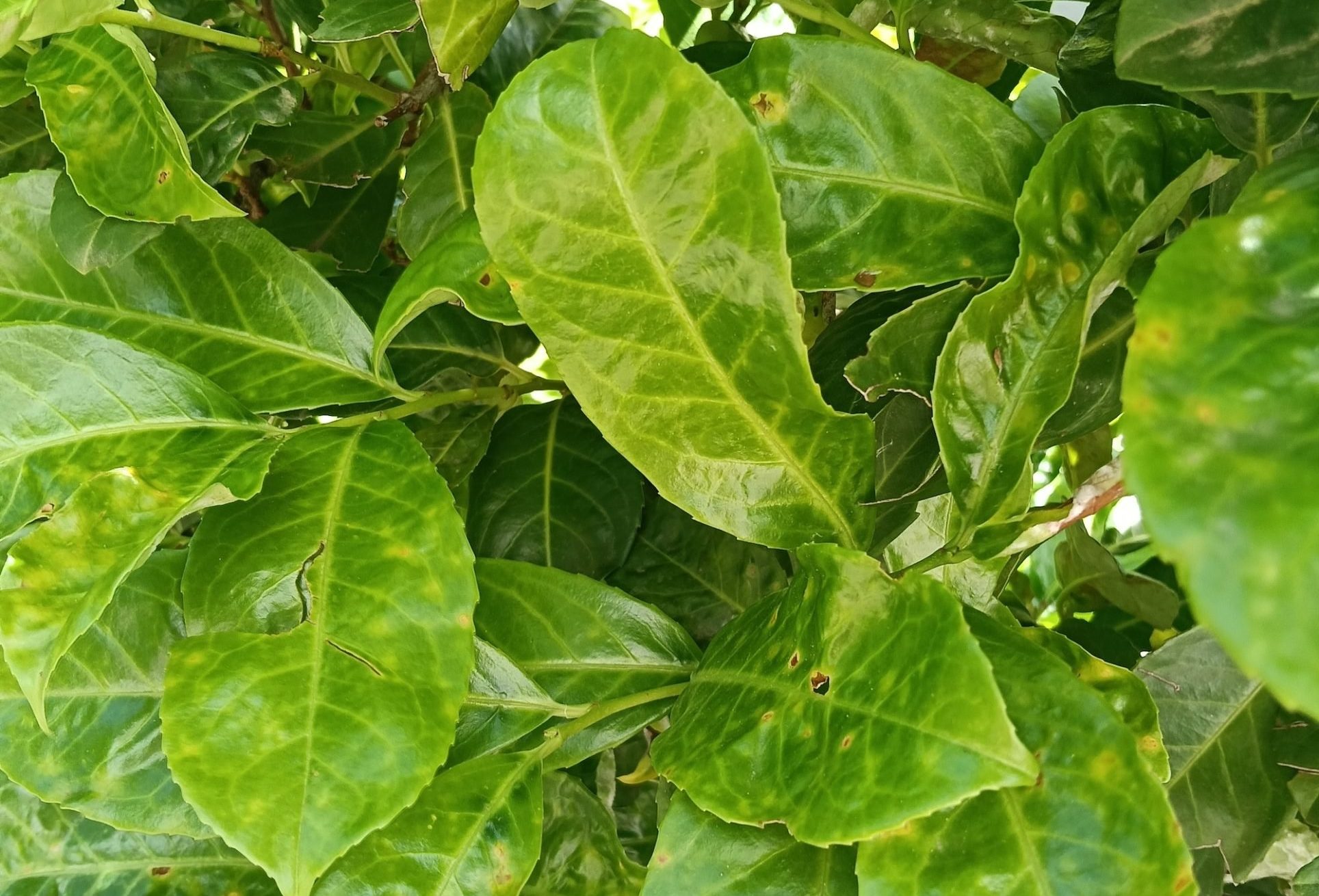
This is a very common fungal disease affecting a wide range of crops, including ornamental plants, vegetables, fruit trees, shrubs and trees. It is found on roses, tomatoes, oak, sage, bay laurel, crape myrtle, peach trees and many other species, including wild plants.
The main symptom is, as the name suggests, the presence of a light, whitish mould as the final result.
Genera that cause powdery mildew (Sphaeroteca, Erisiphae, Podosphaera, Microsphaera, Uncinula) belong to the Ascomycota family.
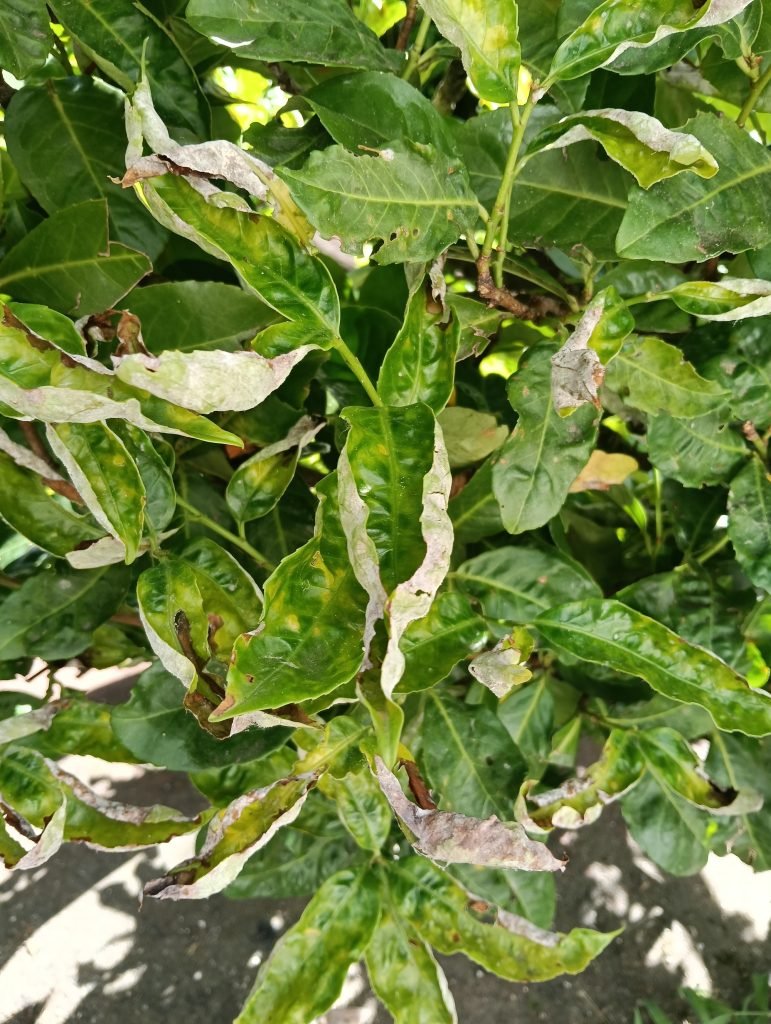
Initially, chlorotic spots (pale yellow patches) are observed; if left untreated and if environmental conditions favourable to the disease persist, these develop into the grey-white mould described above.
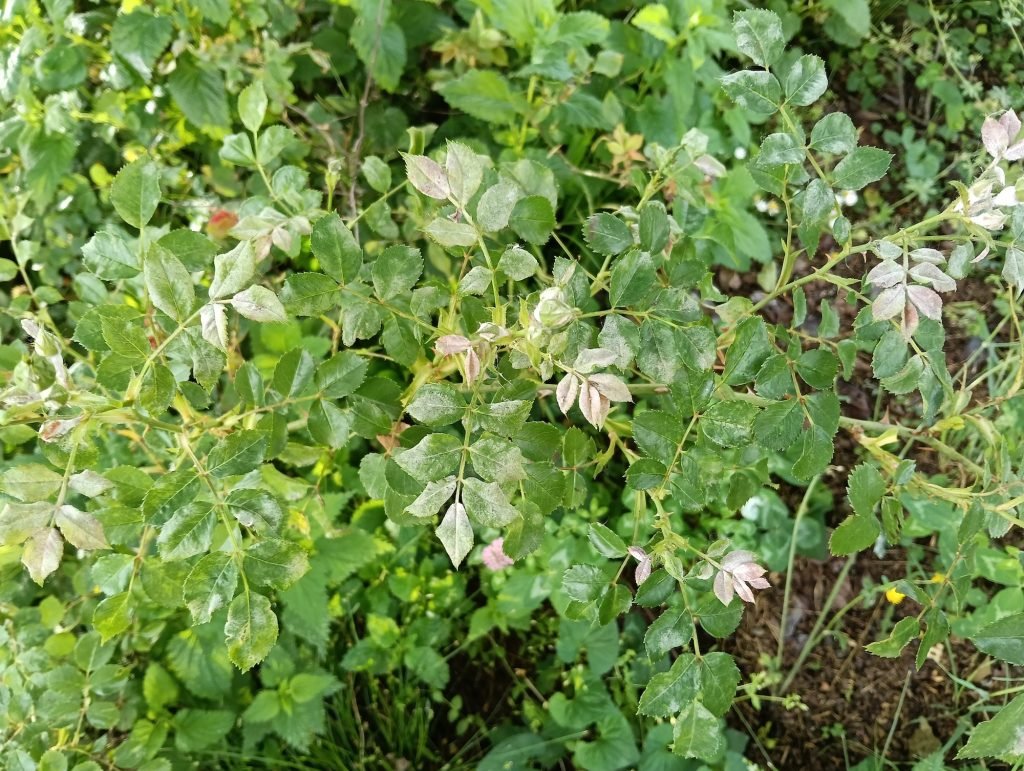
When these symptoms become apparent, it means that the disease has already ‘broken out’, meaning the fungus has already penetrated the plant tissues: shoots, leaves, flowers and fruits. We can try to stop the current infections and to prevent and to avoid new infections.
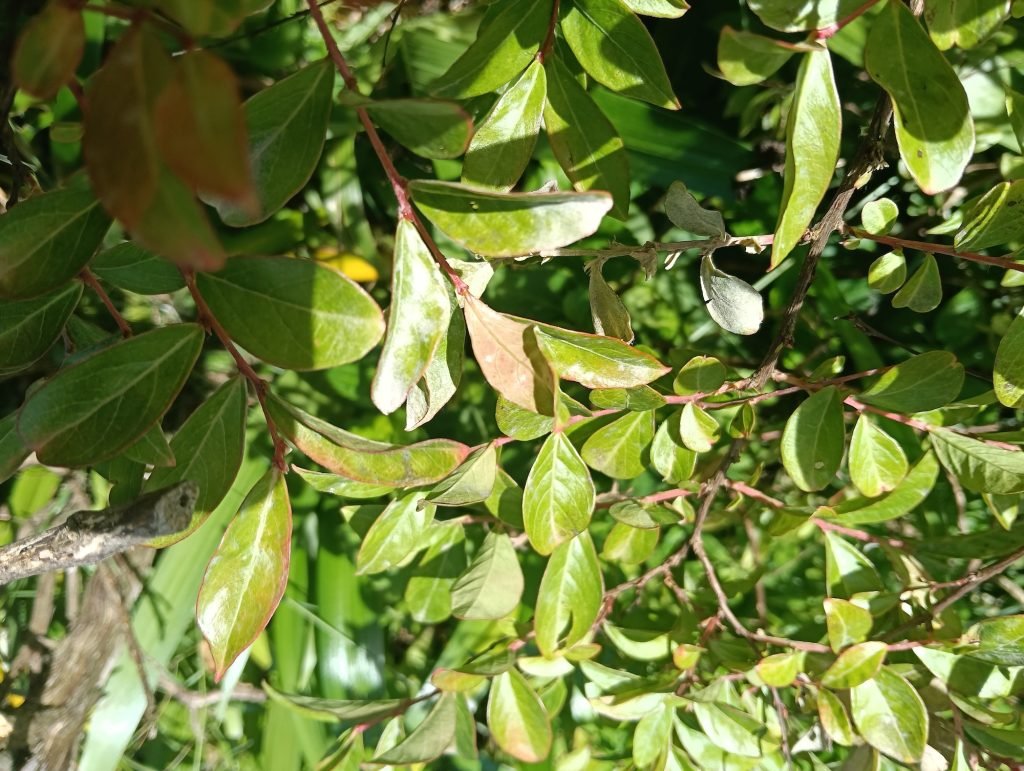
The ideal environmentale factors are spring temperatures and not exessively high relative humidity. In facts, unlike with other fungal diseases, the presence of water is not a predisposing factor, as the spread of spores does not occur via water droplets.
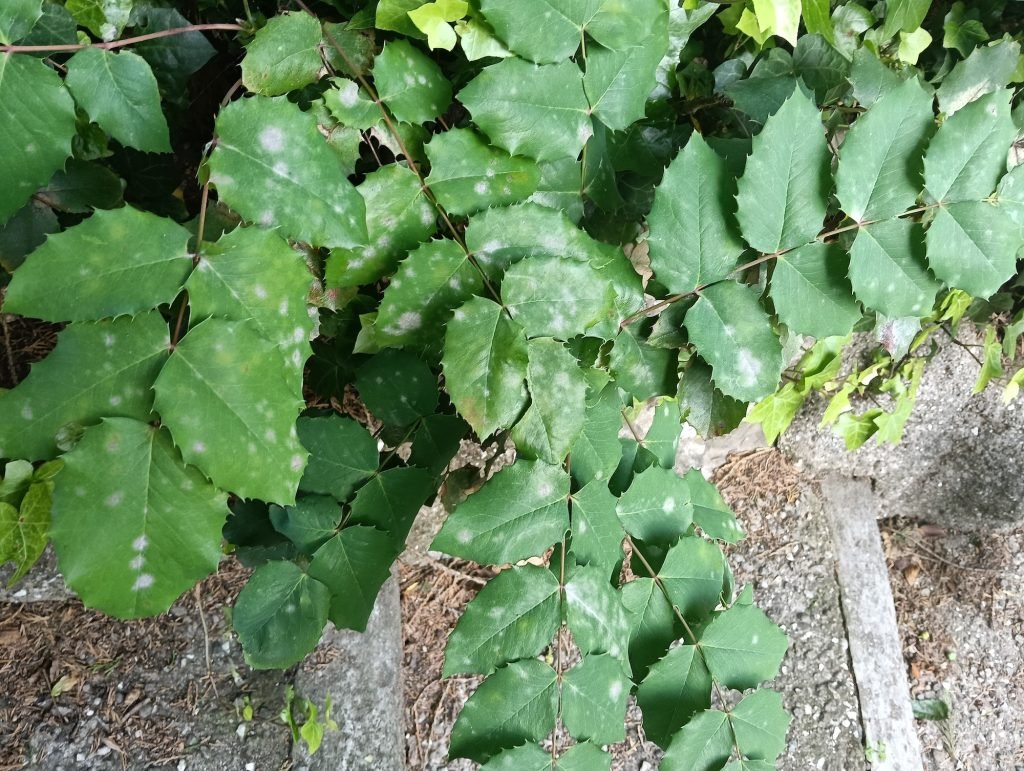
Powdery mildew is rarely observed in our climate during summer as temperatures are in fact higher than the optimal range; it may, however, reappear in late summer or early autumn, when temperatures drop again.
In cultivation, we can try to avoid predisposing environmental factors and prevent the infection, applyng preventive or curative treatments; in private gardens, however, it is possible to control, amongst other methods, with products containing potassium bicarbonate as the active ingredient, upon the appearance of the first symptoms.
In organic farming, treatments with sulphur-based products are permitted.