In August, we can carry out some small but important jobs to enhance our outdoor green space, preparing for the autumn and the colder months.
Even though we’re nearing the end of summer, the heat is often still intense, even given the current climate scenarios, so let’s try to take some precautions to best protect our plants, preferably during the coolest hours of the day!
Irrigation
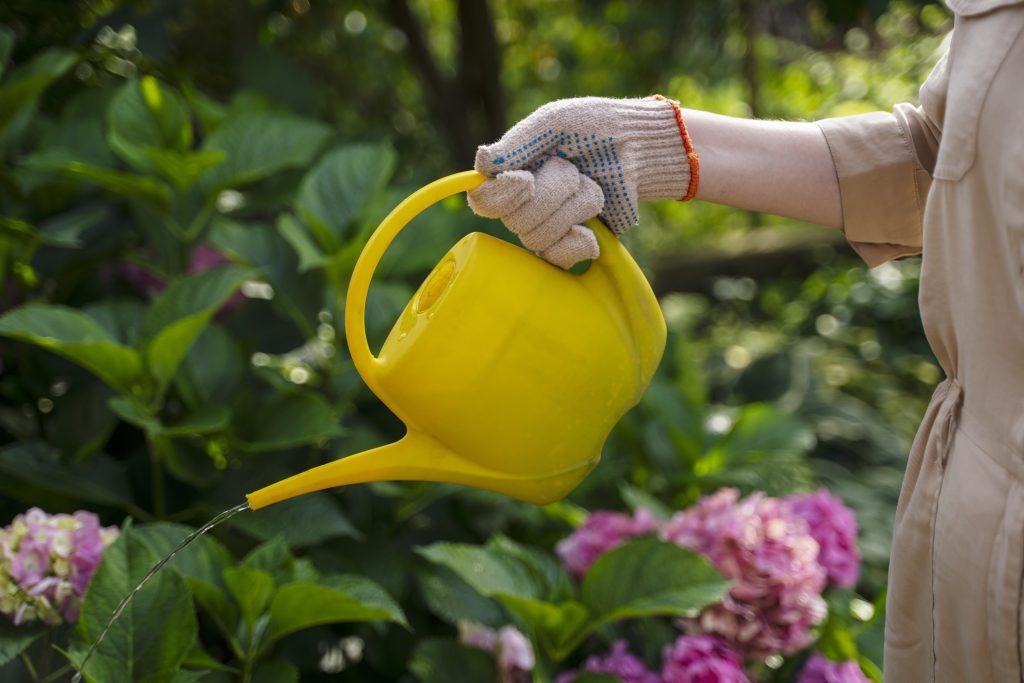
Let’s start from the water element because it is of significant importance, especially considering that the watering needs of plants, both herbaceous and shrubby, and arboreal, increase during hot and dry periods. Therefore, don’t forget to water regularly, avoiding dry spells and excessive watering that can lead to waterlogging. Watering should be done during the cooler morning hours, preferably with rainwater collected in cisterns or storage tanks, which is better for the environment and your wallet.
What do you mean? Going on vacation? No problem, but remember to install a programmable irrigation system before you leave to ensure a distribution frequency proportionate to your plants’ needs. We also renew the mulch to limit water loss through transpiration due to the heat, thus keeping the soil cooler and protecting the roots.
Transplants
Water certainly plays a key role in the proper vegetative development of plants. However, it is possible to choose species and/or varieties that stand out for their low water requirements. As described in the article published in the Joyflo App “Plants of the month: species resistant to heat and drought“, with the current climate scenario characterized by increasingly hot and humid summers and diminishing water reserves, it is also necessary to select plant species suitable for decorating our balconies and gardens that are resistant to drought, ensuring reduced use of an important natural resource like water.
SERENA® MIX F1 color mix of Angelonia angustifolia , Catharanthus roseus, Celosia argentea Flamma series, Gaura lindheimeri Compact series, “PING PONG” variety of Gomphrena globosa, Lantana camara, Petunia Surfinia Sumo Rose, Perovskia atriplicifolia and Portulaca grandiflora find a place of honor.
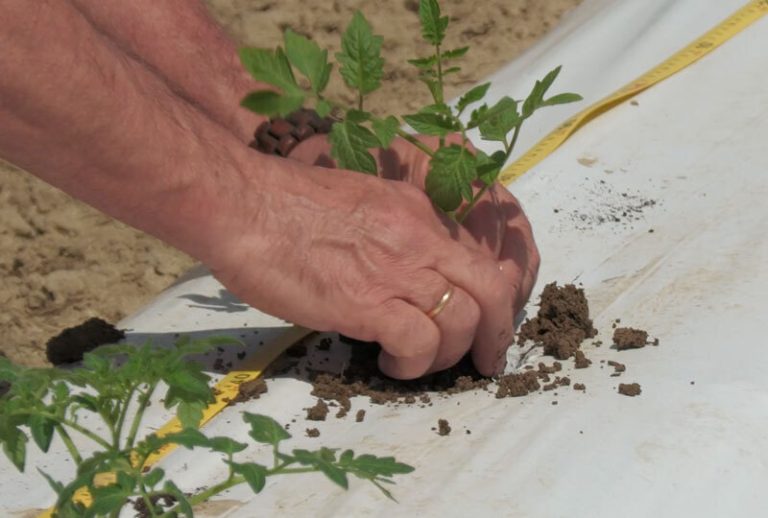
Always remember to properly prepare the soil before planting by lightly digging, removing weeds and bulky stones, and breaking up any larger clods with a hoe. Finally, level the surface by digging the planting holes at an appropriate density to encourage proper vegetative development for each individual tree.
For potted plants, however, we choose containers proportionate to their size and shape, using a specific soil for ornamental plants, based on peat and perlite.
Weeding
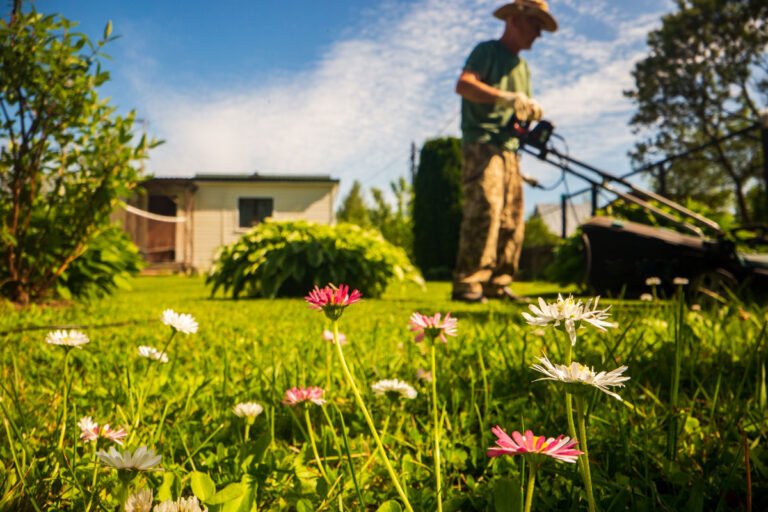
Needless to say, who hasn’t had weeds in their garden or even in the cracks in their terrace paving in August? So, let’s get rid of them by pulling them out, root included, manually or using a natural herbicide.
Fertilization
Among the colors and scents of our garden or terrace, remaining enchanted by the flowers of species such as Begonia x hybrida, Bouganvillea glabra, Canna indica, Fuchsia hybrida, Pelargonium hybridum, Hibiscus syriacus, Lagerstroemia indica, Nerium oleander, Petunia grandiflora, Portulaca grandiflora, Rosa hybrida let’s remember to fertilize regularly, using a specific product for ornamental plants, in a liquid formulation, that is, to be diluted in the irrigation water, or in a granular form with gradual release.
For lush flowering and proper vegetative development, the doses and frequency of application must be appropriate and not excessive. Therefore, carefully read the instructions on the fertilizer label. We prefer a fertilizer rich in phosphorus and potassium rather than nitrogen, the latter often being more beneficial during the spring.
Indoor Plants
If temperatures allow it, we can move our indoor plants into the garden or onto the terrace, taking care to ensure proper exposure to sunlight since there are species such as Epipremnun aureum (Pothos) or Zamioculcas zamiifolia which require a position in partial shade or bright shade, protected from the most intense direct sunlight which can lead to leaf burn.
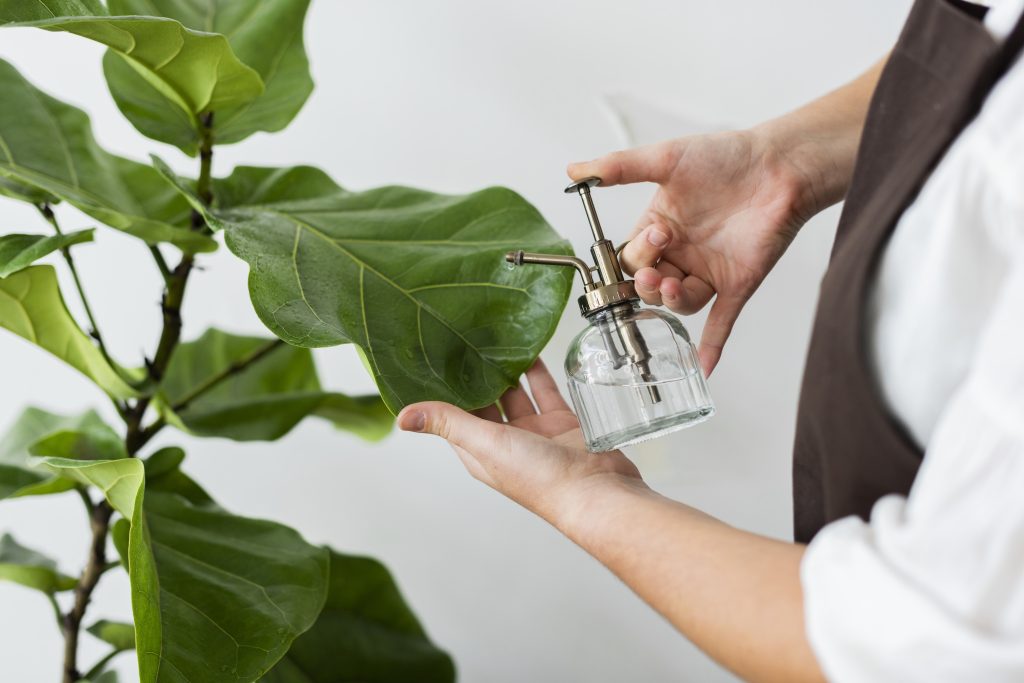
Monitor the soil’s moisture level, watering more regularly given the warmer summer climate. For species that require high humidity, it’s helpful to lightly mistread the leaves, but avoid using cold, hard water.
We continue to clean the leaves with a cloth dampened with water, checking for the presence of parasites such as aphids, scale insects, and thrips, which can be removed with specific products recommended by our trusted garden center.
Pruning
We perform the ‘Deadheading’ technique by cutting off the faded inflorescences to possibly stimulate new flowering.
If we have species that produce fruit or seeds that are attractive to birds, we wait to prune them ensuring food for our little friends.
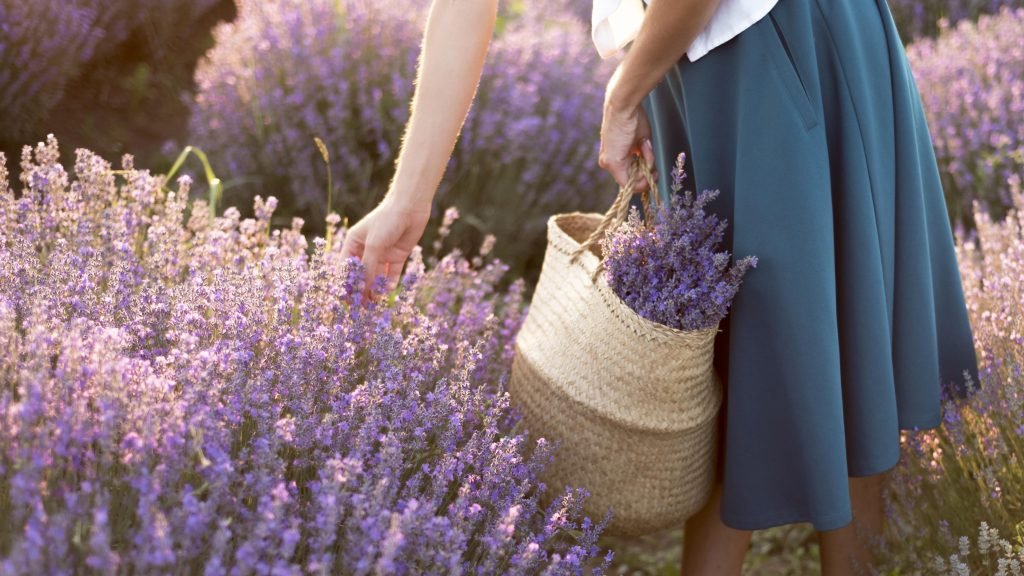
It’s time to harvest the fragrant inflorescences of Lavandula angustifolia, dry them, and store them in drawers throughout the autumn-winter season. We can also cut the flowering stems, such as those of Achillea millefolium (Yarrow), hanging them upside down in a dry, airy place to later use in dried flower arrangements.
Remember to use clean, sterilized, and sharp blades for pruning, always keeping in mind both our safety and the protection of our plants, avoiding excessive cuts.
Plant Care
We carefully examine the leaves, flowers, and stems of our plants to detect any fungal diseases or harmful insects such as aphids and red spiders. We avoid watering the foliage in the late afternoon or evening to prevent the development of unwanted guests. What if they’re already there? Let’s take a photo and get advice from an expert in the field.
August is a great time to relax in the garden or on the terrace, but also to take a critical look and start planning for any future changes.
The next few months will be a busy time, but one that will surely yield excellent results this spring and summer!